Search
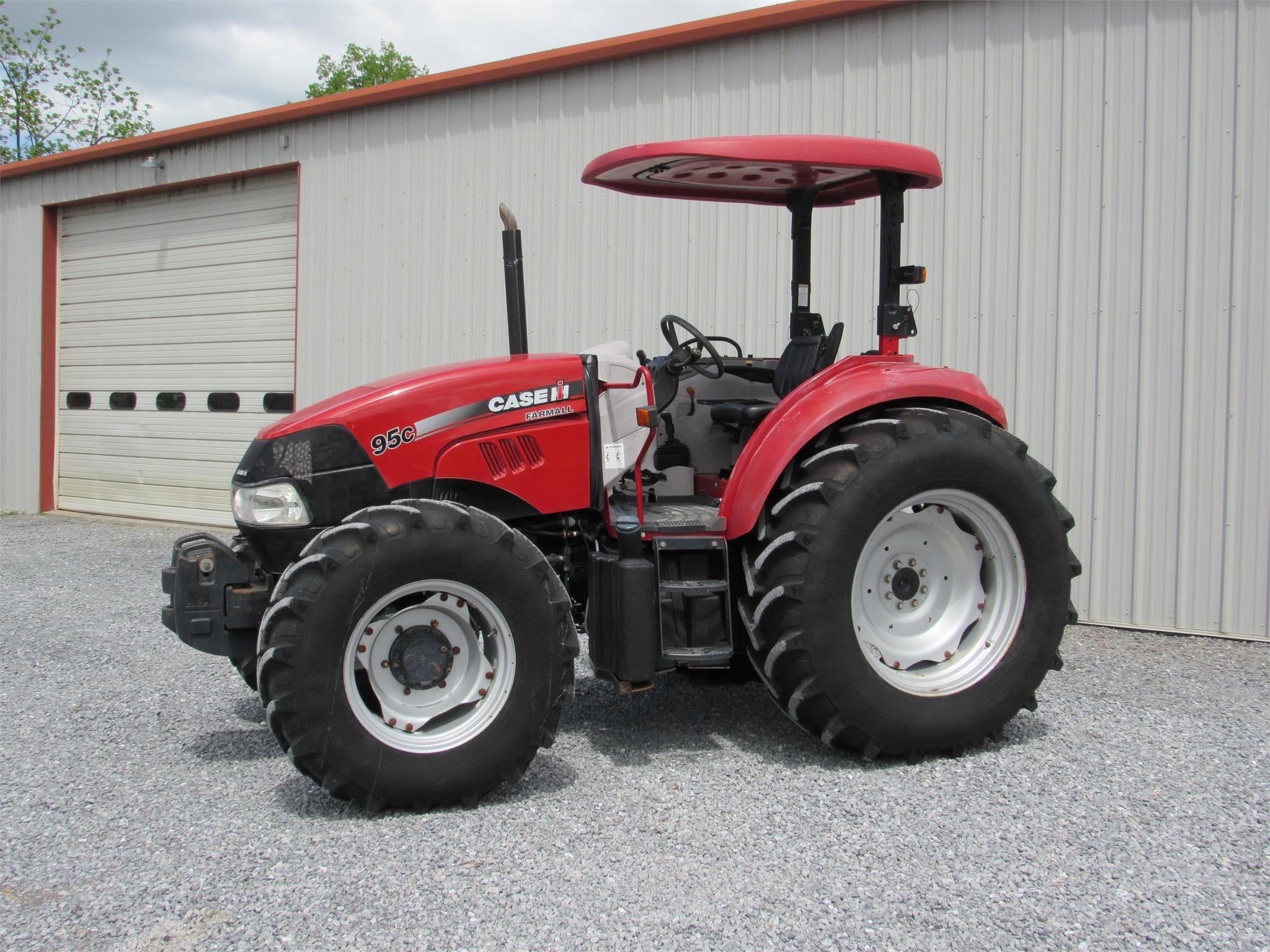
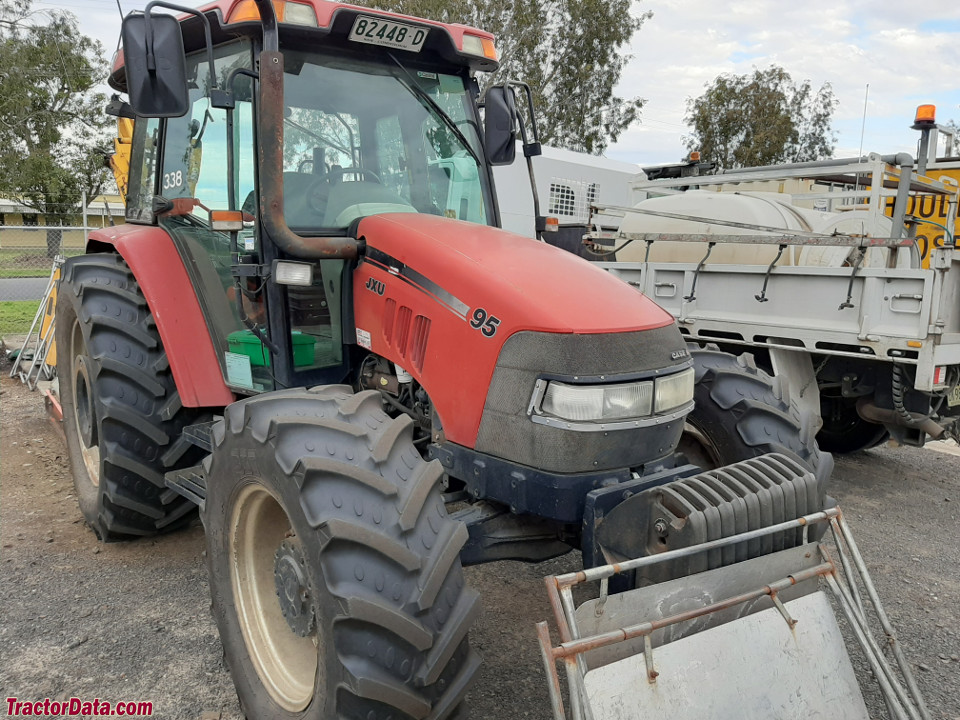
CaseIH Farmall 95C vs CaseIH JXU 95
Verdict: CaseIH Farmall 95C vs CaseIH JXU 95
The CaseIH Farmall 95C and the CaseIH JXU 95 are both tractors — here is how they stack up on the figures that matter. Both are rated at the same 95 hp. CaseIH JXU 95 is the lighter machine (4,249 kg vs 6,614 kg), which helps on soft ground and transport, while the heavier model carries more ballast for traction-limited draft work. CaseIH JXU 95 holds more fuel (127.2 L vs 87.8 L) for longer stints between fills. Use the full side-by-side spec tables below to weigh the details against your own operation, and confirm with a dealer demo.
Tune the fit score
Tell us about your operation
Fit & specs
CaseIH
85
Fit score
Best match
Clear
CaseIH
85
Fit score
Best match
Clear
Rated power
95 hp
95 hp
Confidence
40%
40%
Guide price
—
—
Overview
Manufacturer
CaseIHReference
CaseIHReference
Four synchronized gears (1-4) in four ranges (L/ML/MH/H) with clutchless power shuttle.Reference
Two-speed power shift with power shuttle.Reference
Original price
$43,874 (2011)Reference
—
Differential lock
mechanical rearReference
Electro-hydraulic rear and limited slip front. Electro-hydraulic front optional.Reference
Steering
hydrostatic powerReference
—
Trailer brakes
—
pneumaticReference
Variants
T4050
similar New Holland modelReference
—
Engine
Fuel tank
87.8 LReference
166.9 LReference
Engine (gross)
70.8 kWReference
71.0 kWReference
Drawbar (tested)
54.3 kWReference
—
Displacement
4.5 LReference
4.5 LReference
Bore/Stroke
104 x 132 mmReference
104 x 132 mmReference
Emissions
Tier IIIReference
Tier IIIReference
Power (gross)
70.8 kWReference
—
Fuel system
Bosch fuel injection pumpReference
—
Air cleaner
dual dry elementsReference
—
Pre-heating
thermostartReference
—
Compression
17.5:1Reference
—
Rated RPM
2300Reference
2300Reference
Starter
electricReference
electricReference
Starter volts
12Reference
12Reference
Power at rated engine speed
67.0 kWReference
—
Max power
54.3 kWReference
—
Rated Power (gross)
—
71.0 kWReference
Torque
—
404.1 NmReference
Torque RPM
—
1400Reference
Transmission
Gears
16 forward and reverseReference
24 forward and reverseReference
PTO & Hydraulics
PTO (claimed)
59.7 kWReference
—
PTO (tested)
67.0 kWReference
—
Type
power shuttleReference
power shuttleReference
Rear valves
1 to 2Reference
3Reference
Mid valves
0 to 2Reference
2Reference
Pump flow
60.9 lpmReference
60.9 lpmReference
Total flow
96.5 lpmReference
—
Steering flow
35.6 lpmReference
36.0 lpmReference
Rear Type
II/IReference
—
Rear lift (at 24"/610mm)
1796 kgReference
—
Rear PTO
independentReference
independentReference
Clutch
wet discReference
electro-hydraulicReference
Rear PTO Type
540/1000 (1.375)Reference
540/540E/1000Reference
Engine RPM
1000@2260Reference
—
Power at rated PTO speed
66.4 kWReference
—
Rear lift
—
5850 kgReference
Front lift
—
2500 kgReference
Front PTO
—
independentReference
Front PTO Type
—
1000Reference
Dimensions
2WD Wheelbase
226 cmReference
234 cmReference
4WD Wheelbase
218 cmReference
234 cmReference
Weight
6614 to 8115 poundsReference
4249 kgReference
Front tire
11.2R24Reference
10.00-16Reference
Rear tire
16.9R30Reference
—
Ag front
11.2R20Reference
—
Ag rear
16.9R28Reference
—
Lawn/turf front
12LL-16Reference
—
Lawn/turf rear
22.5LL-16.1Reference
—
Industrial front
12.5/80-18Reference
—
Industrial rear
16.9-24Reference
—
Height (ROPS)
197 cmReference
274 cmReference
Height (cab)
232 cmReference
262 cmReference
Shipping
3200 kgReference
—
Operating
3680 kgReference
—
2WD Rear tire
—
480/70R34Reference
2WD Standard tires (ag)
—
Front: 10.00-16. Rear: 480/70R34Reference
4WD Standard tires (ag)
—
Front: 380/70R24. Rear: 480/70R34Reference
Length
—
411 cmReference
Height (Folded ROPS)
—
219 cmReference
Max weight
—
6799 kgReference
CaseIH Farmall 95C attachments
Electrical
Ground
negativeReference
negativeReference
Charging system
alternatorReference
—
Charging amps
120Reference
—
Battery CCA
730Reference
—
Battery volts
12Reference
12Reference
Attachment overview
Test results
Fuel use
20.1 l/hourReference
—
Max pull
3290 kgReference
—
Fit score weighs budget, operation size, crop match and data confidence against the details above. It’s guidance, not advice — always confirm with a dealer demo.