
Compare/CaseIH JXU 115 vs CaseIH MXM130 Maxxum
Search

CaseIH JXU 115 vs CaseIH MXM130 Maxxum

Verdict: CaseIH JXU 115 vs CaseIH MXM130 Maxxum

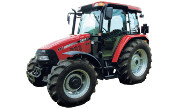
The CaseIH JXU 115 and the CaseIH MXM130 Maxxum are both tractors — here is how they stack up on the figures that matter. CaseIH MXM130 Maxxum leads on rated power with 113 hp against 111 hp. CaseIH JXU 115 is the lighter machine (4,249 kg vs 5,404 kg), which helps on soft ground and transport, while the heavier model carries more ballast for traction-limited draft work. CaseIH JXU 115 is the newer design (2009 vs 2002). In short: choose the CaseIH MXM130 Maxxum for outright pulling power, or the CaseIH JXU 115 if a tighter budget and lighter footprint matter more. Compare the full spec tables below before booking a demo.

Tune the fit score
Tell us about your operation
Fit & specs
CaseIH JXU 115 Tractor
CaseIH
85
Fit score
Best match
Clear
CaseIH MXM130 Maxxum Tractor
CaseIH
85
Fit score
Best match
Clear
Rated power
111 hp
113 hp
Confidence
40%
40%
Guide price
Overview
Manufacturer
CaseIHReference
CaseIHReference
Two-speed power shift with power shuttle.Reference
PTO performanceReference
Differential lock
Electro-hydraulic rear and limited slip front. Electro-hydraulic front optional.Reference
Trailer brakes
pneumaticReference
Engine
Fuel tank
166.9 LReference
Engine (gross)
83.0 kWReference
Displacement
4.5 LReference
7.5 LReference
Bore/Stroke
104 x 132 mmReference
112 x 127 mmReference
Emissions
Tier IIIReference
Rated Power (gross)
83.0 kWReference
Rated RPM
2300Reference
2200Reference
Torque
445.0 NmReference
Torque RPM
1400Reference
Starter
electricReference
Starter volts
12Reference
12Reference
Engine
96.2 kWReference
Power
96.2 kWReference
Air cleaner
dual paper elementsReference
Compression
17.0:1Reference
Oil capacity
18.9 LReference
Coolant capacity
25.4 LReference
Power at rated engine speed
84.5 kWReference
Transmission
Type
power shuttleReference
partial powershiftReference
Gears
24 forward and reverseReference
18 forward and 6 reverseReference
PTO & Hydraulics
Rear valves
3Reference
Mid valves
2Reference
Pump flow
60.9 lpmReference
106.0 lpmReference
Steering flow
36.0 lpmReference
60.6 lpmReference
Rear lift
5850 kgReference
Front lift
2500 kgReference
Rear PTO
independentReference
Clutch
electro-hydraulicReference
Rear PTO Type
540/540E/1000Reference
540/1000 (1.375)Reference
Front PTO
independentReference
Front PTO Type
1000Reference
PTO (claimed)
78.3 kWReference
PTO (tested)
84.5 kWReference
Hydraulic system
89.9 LReference
Capacity
89.9 LReference
Pressure
189.6 barReference
Valves
2 to 5Reference
SCV flow
94.6 lpmReference
Total flow
166.5 lpmReference
Rear Type
IIReference
Control
electronic lower-link sensingReference
Rear lift (at 24"/610mm)
3957 kgReference
Power at rated PTO speed
84.1 kWReference
Dimensions
Wheelbase
234 cmReference
274 cmReference
Weight
4249 kgReference
5404 kgReference
Front tire
380/80R24Reference
Rear tire
480/70R34Reference
Standard tires (ag)
Front: 380/80R24. Rear: 480/70R34Reference
Length
411 cmReference
Height (cab)
262 cmReference
295 cmReference
Max weight
7400 kgReference
4WD Wheelbase
272 cmReference
2WD Length
458 cmReference
4WD Length
471 cmReference
4WD Operating weight
5404 kgReference
Bar rear axle
91 by 2489 mmReference
4WD Front tread
152 to 223 cmReference
Rear tread
152 to 223 cmReference
Electrical
Ground
negativeReference
negativeReference
Battery volts
12Reference
12Reference
Charging system
alternatorReference
Charging amps
120Reference
Battery CCA
1300Reference
Battery AH
176Reference
Capacities
Fuel
283.9 LReference
Test results
Fuel use
26.5 l/hourReference

Fit score weighs budget, operation size, crop match and data confidence against the details above. It’s guidance, not advice — always confirm with a dealer demo.

Comparing 0
Compare (pick 2+)