
Search
CaseIH Puma 150 X vs CaseIH Puma 155
Verdict: CaseIH Puma 150 X vs CaseIH Puma 155
The CaseIH Puma 150 X and the CaseIH Puma 155 are both tractors — here is how they stack up on the figures that matter. CaseIH Puma 155 leads on rated power with 155 hp against 150 hp. CaseIH Puma 150 X is the newer design (2018 vs 2008). In short: choose the CaseIH Puma 155 for outright pulling power, or the CaseIH Puma 150 X if a tighter budget and lighter footprint matter more. Compare the full spec tables below before booking a demo.
Tune the fit score
Tell us about your operation
Fit & specs
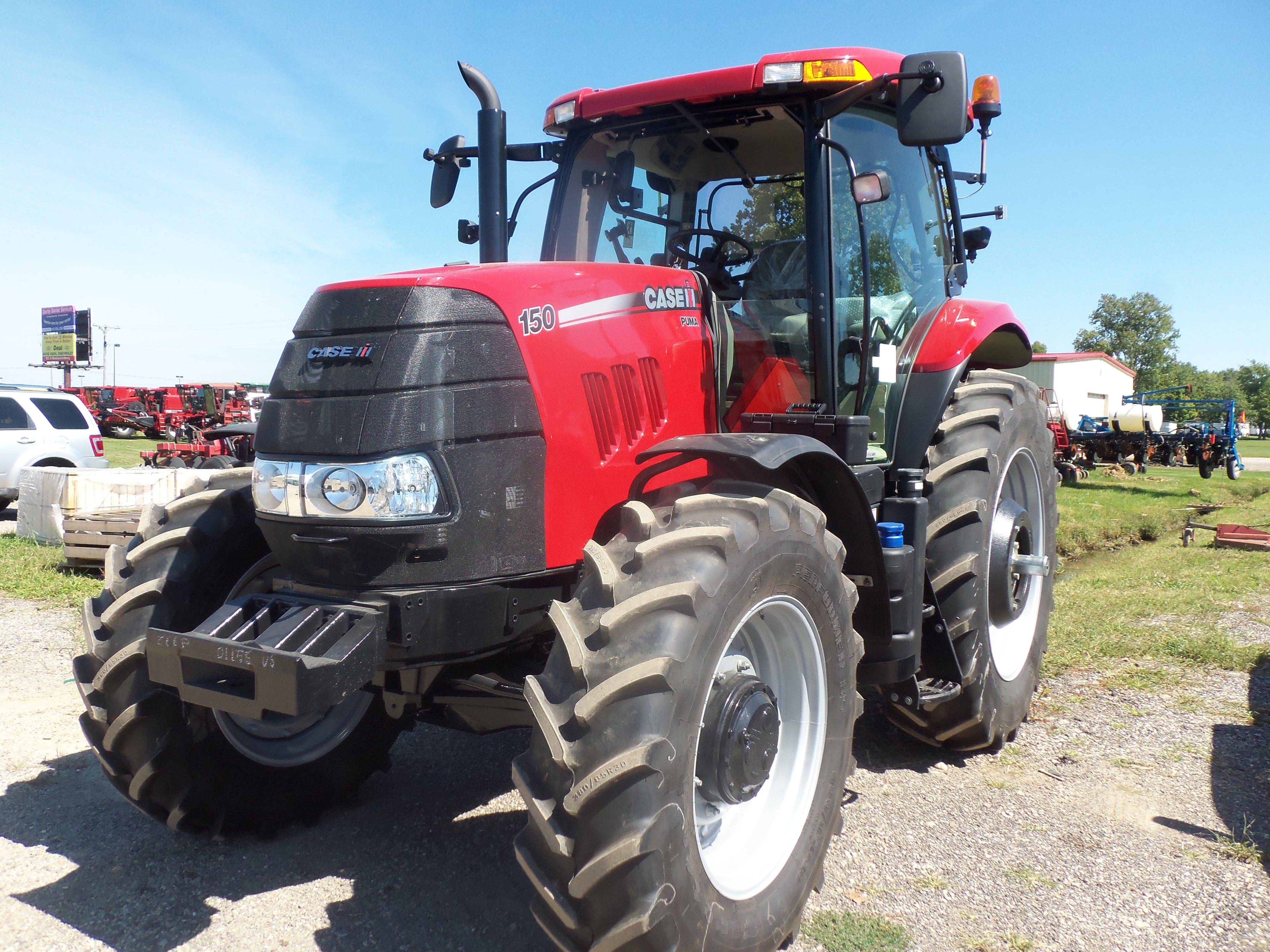
CaseIH
85
Fit score
Best match
Clear
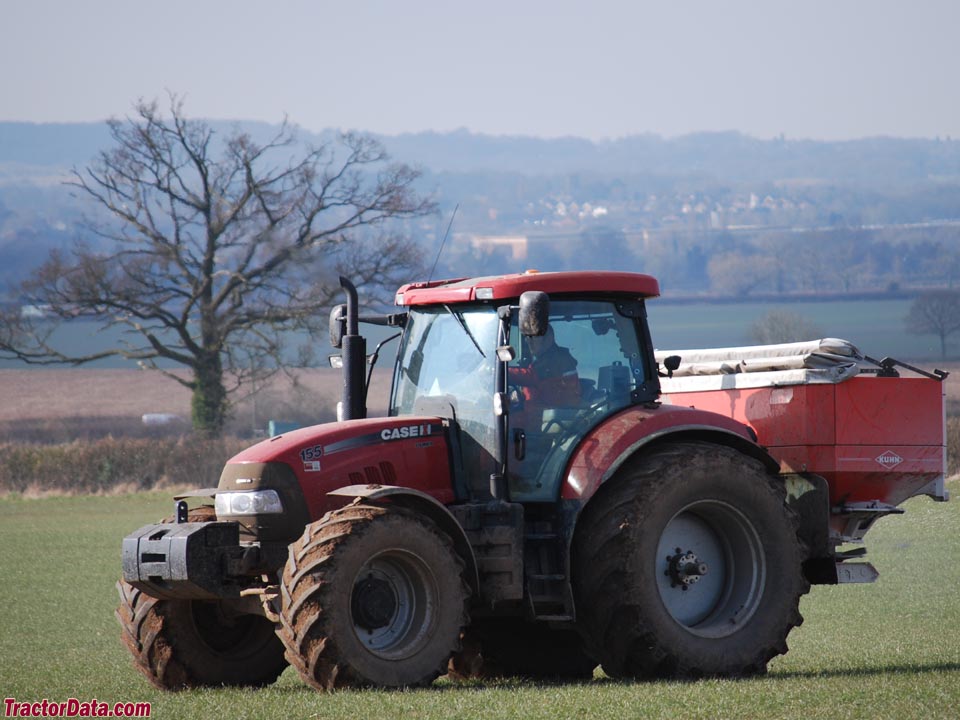
CaseIH
85
Fit score
Best match
Clear
Rated power
150 hp
155 hp
Confidence
40%
40%
Guide price
—
—
Overview
Manufacturer
CaseIHReference
CaseIHReference
liquid-cooledReference
Six power-shift gears in three ranges.Reference
Differential lock
rear standardReference
—
Trailer brakes
pneumaticReference
hydraulic optionalReference
Steering
—
hydrostatic powerReference
Engine
Fuel tank
330.1 LReference
—
Exhaust fluid (DEF)
48.1 LReference
—
Engine (gross)
111.9 kWReference
115.6 kWReference
Engine (max)
123.0 kWReference
—
Displacement
6.7 LReference
6.7 LReference
Bore/Stroke
104 x 132 mmReference
104 x 132 mmReference
Emissions
Stage IVReference
Tier 3Reference
Rated Power (gross)
111.9 kWReference
—
Maximum Power (gross)
123.0 kWReference
—
Rated RPM
2200Reference
2200Reference
Torque
699.7 NmReference
—
Torque RPM
1500Reference
—
Starter
electricReference
—
Starter volts
12Reference
12Reference
Drawbar (tested)
—
77.2 kWReference
Power (gross)
—
115.6 kWReference
Fuel system
—
electronic high-pressure common railReference
Cooling system
—
viscous fanReference
Air cleaner
—
dual paper elementsReference
Compression
—
17.5:1Reference
Oil capacity
—
15.1 LReference
Max power
—
77.2 kWReference
Power at rated engine speed
—
101.5 kWReference
Transmission
Gears
19 forward and 6 reverseReference
19 forward and 6 reverseReference
Clutch
—
hydraulic wet discReference
Transmission
—
powershift with EconoGearReference
PTO & Hydraulics
Type
partial power shiftReference
partial power shiftReference
Pressure
210.0 barReference
—
Rear valves
4Reference
—
Mid valves
3Reference
—
Pump flow
110.1 lpmReference
100.3 lpmReference
Rear Type
III/IIReference
2/3NReference
Control
electronic draft controlReference
electronic draft controlReference
Rear lift (at 24"/610mm)
6616 kgReference
—
Front lift
3571 kgReference
—
Rear PTO
independentReference
independentReference
Rear PTO Type
540/1000/1000E (1.375)Reference
540/1000 (1.375)Reference
Engine RPM
1000@1895Reference
—
Front PTO Type
1000Reference
—
PTO (claimed)
—
100.7 kWReference
PTO (tested)
—
111.6 kWReference
Hydraulic system
—
74.2 LReference
Capacity
—
74.2 LReference
Valves
—
2 to 4Reference
Total flow
—
165.4 lpmReference
Steering flow
—
64.3 lpmReference
Rear lift
—
6893 kgReference
Rear Arms
—
flexible link ends with telescopic stabilizerReference
Power at rated PTO speed
—
105.3 kWReference
Dimensions
Front tire
380/85R28Reference
14.9R28Reference
Rear tire
460/85R38Reference
18.4R38Reference
Standard tires (ag)
Front: 380/85R28. Rear: 460/85R38Reference
Front: 14.9R28. Rear: 18.4R38Reference
Bar rear axle
2489 mmReference
92 by 2844 mmReference
Wheelbase
—
278 cmReference
Weight
—
13669 to 14585 poundsReference
Height (cab)
—
300 cmReference
Shipping weight
—
6200 kgReference
Operating weight
—
6615 kgReference
Front tread
—
156 to 226 cmReference
Electrical
Ground
negativeReference
negativeReference
Charging system
alternatorReference
alternatorReference
Charging amps
200Reference
200Reference
Battery volts
12Reference
12Reference
Battery CCA
—
960Reference
Capacities
Fuel
—
283.9 LReference
CaseIH Puma 155 attachments
Test results
Fuel use
—
32.6 l/hourReference
Max pull
—
6404 kgReference
Fit score weighs budget, operation size, crop match and data confidence against the details above. It’s guidance, not advice — always confirm with a dealer demo.