
Compare/Challenger 65 vs Challenger 75
Search

Challenger 65 vs Challenger 75

Verdict: Challenger 65 vs Challenger 75

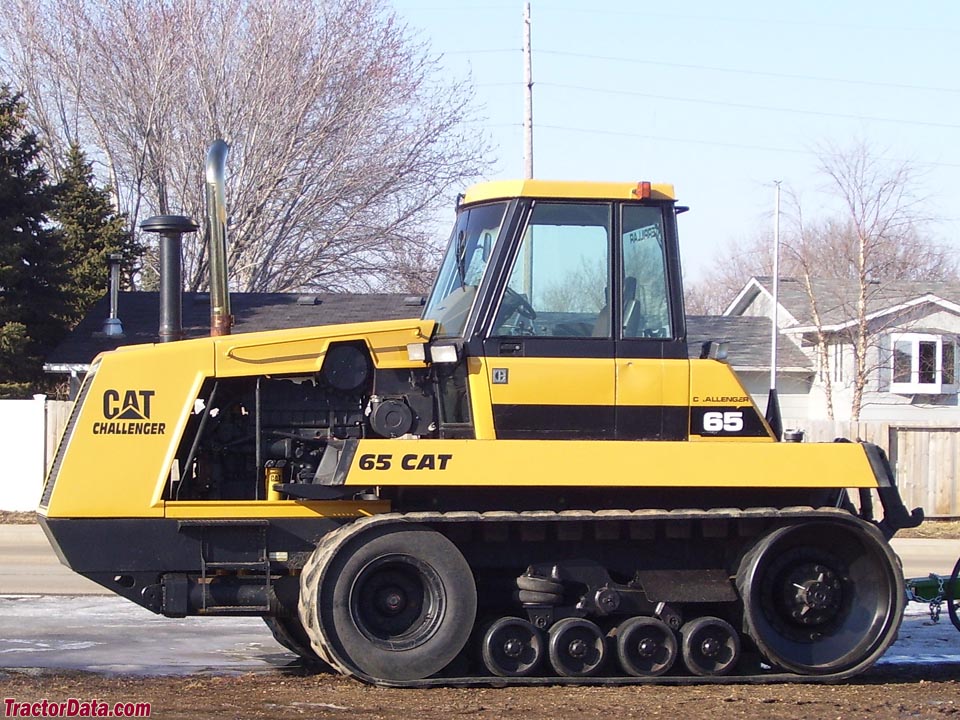
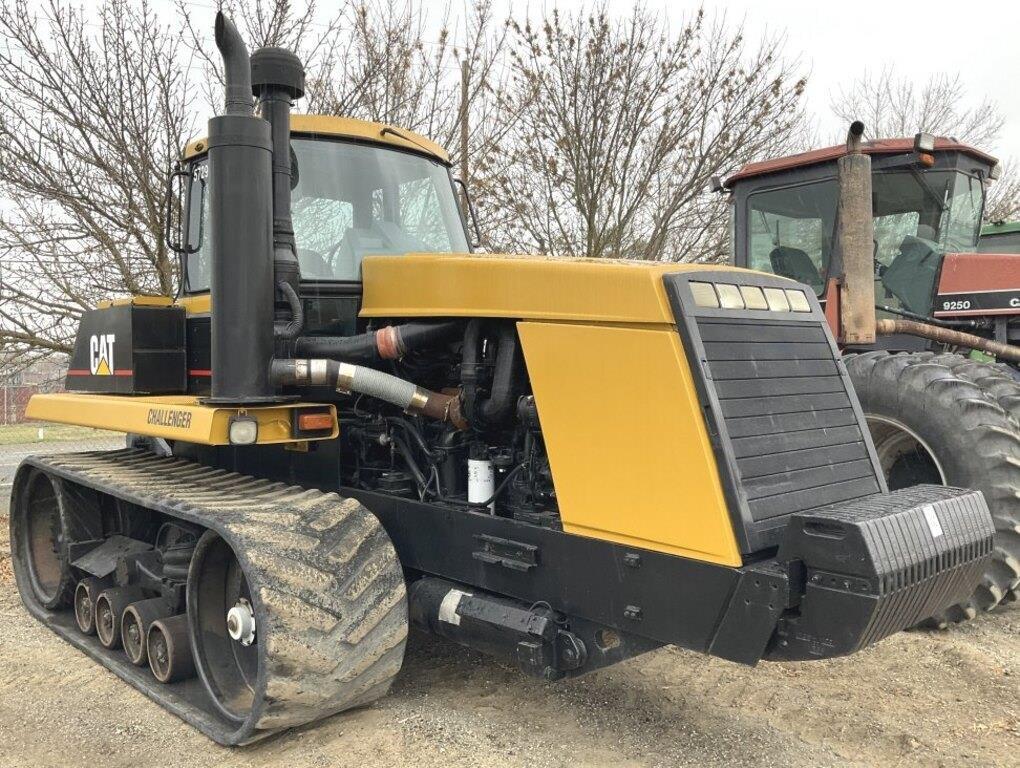
The Challenger 65 and the Challenger 75 are both tractors — here is how they stack up on the figures that matter. Challenger 75 leads on rated power with 281 hp against 270 hp. Challenger 65 is the lighter machine (15,059 kg vs 15,590 kg), which helps on soft ground and transport, while the heavier model carries more ballast for traction-limited draft work. Challenger 75 is the newer design (1991 vs 1987). In short: choose the Challenger 75 for outright pulling power, or the Challenger 65 if a tighter budget and lighter footprint matter more. Compare the full spec tables below before booking a demo.
Tune the fit score
Tell us about your operation
Fit & specs
Challenger 65 Tractor
Challenger
62
Fit score
Best match
Clear
Challenger 75 Tractor
Challenger
62
Fit score
Best match
Clear
Rated power
270 hp
281 hp
Confidence
40%
40%
Guide price
Overview
Manufacturer
Challenger (a part of Caterpillar)Reference
Gear 1 used for pull test.Reference
Drive
crawlerReference
crawlerReference
Steering
hydrostatic differential steeringReference
Engine
Engine (gross)
201.3 kWReference
Engine (net)
190.9 kWReference
Drawbar (claimed)
150.6 kWReference
193.9 kWReference
Drawbar (tested)
159.4 kWReference
187.2 kWReference
Displacement
10.5 LReference
10.3 LReference
Bore/Stroke
121 x 152 mmReference
125 x 140 mmReference
Power (net)
190.9 kWReference
Power (gross)
201.3 kWReference
Fuel system
direct injectionReference
Air cleaner
dual paper elements with aspiratorReference
Compression
15:1Reference
16:1Reference
Rated RPM
2100Reference
2100Reference
Starter volts
12Reference
12Reference
Oil capacity
68.1 LReference
Coolant capacity
41.6 LReference
41.6 LReference
Max power
159.4 kWReference
187.2 kWReference
Power at rated engine speed
173.2 kWReference
209.8 kWReference
Fuel tank
832.7 LReference
Engine
242.4 kWReference
Power
242.4 kWReference
Transmission
Gears
10 forward and 2 reverseReference
PTO & Hydraulics
PTO (claimed)
175.2 kWReference
209.5 kWReference
PTO (tested)
177.4 kWReference
225.1 kWReference
Hydraulic system
60.6 LReference
Type
full power shiftReference
Capacity
60.6 LReference
Pressure
172.4 barReference
Valves
4Reference
4Reference
Pump flow
103.0 lpmReference
98.4 lpmReference
Rear Type
IIIReference
III,IVReference
Rear lift
5579 kgReference
Rear PTO
independentReference
Rear PTO Type
1000Reference
1000Reference
Power at rated PTO speed
176.2 kWReference
212.9 kWReference
Capacities
Fuel
704.0 LReference
Dimensions
Wheelbase
269 cmReference
269 cmReference
Weight
15059 kgReference
15590 kgReference
Length
571 cmReference
Height (cab)
322 cmReference
Height (exhaust)
342 cmReference
Operating weight
15059 kgReference
15590 kgReference
Ground clearance
37 cmReference
Gauge
214 cmReference
Electrical
Ground
negativeReference
Charging system
alternatorReference
Charging amps
105Reference
Batteries
2Reference
Battery volts
12Reference
Challenger 65 Tracks
Width
287 cmReference
90 cmReference
Length on ground
269 cmReference
271 cmReference
Area on ground
3.4 m²Reference
3.8 m²Reference
Ground pressure
0.4 barReference
0.4 barReference
Test results
Fuel use
54.5 l/hourReference
59.4 l/hourReference
Max pull
14825 kgReference
15562 kgReference
Challenger 75 Tracks

Fit score weighs budget, operation size, crop match and data confidence against the details above. It’s guidance, not advice — always confirm with a dealer demo.

Comparing 0
Compare (pick 2+)