Search
Cockshutt 70 vs Cockshutt 80
Verdict: Cockshutt 70 vs Cockshutt 80
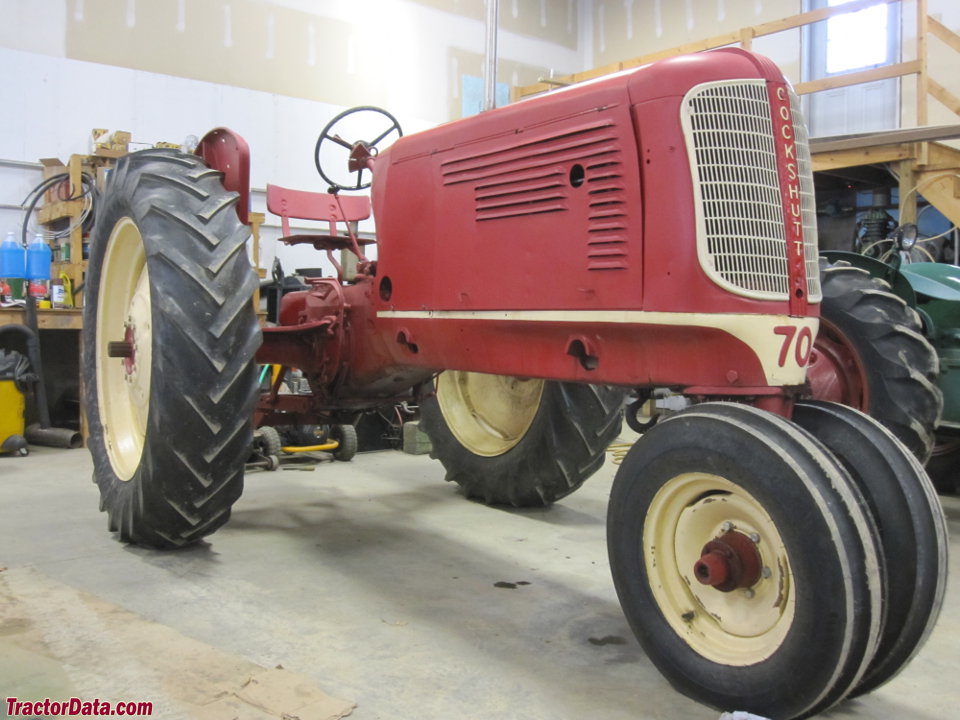
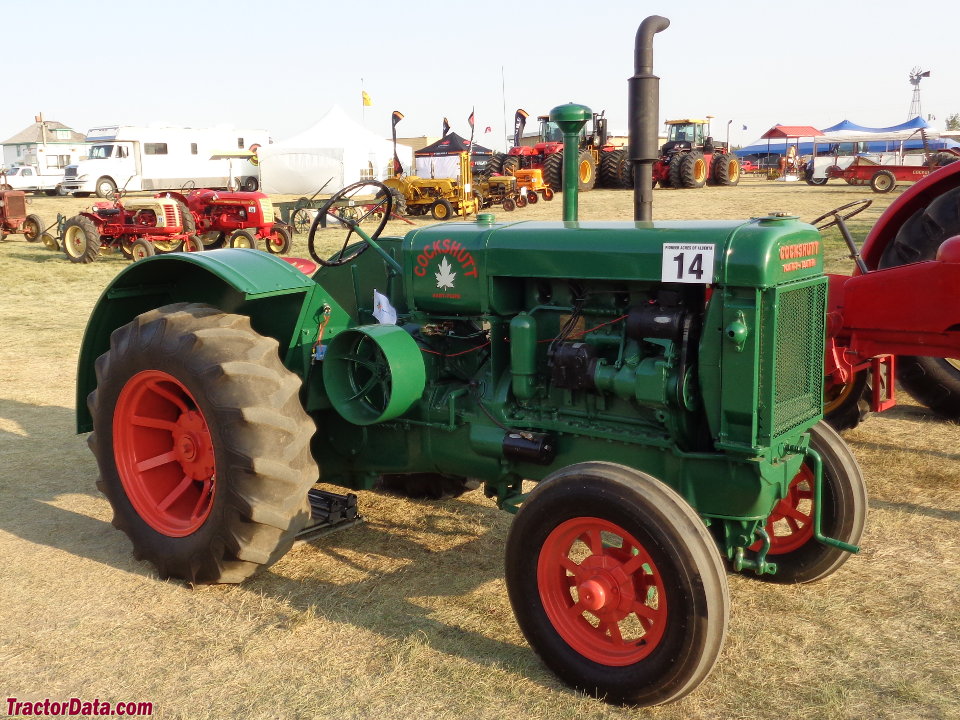
The Cockshutt 70 and the Cockshutt 80 are both tractors — here is how they stack up on the figures that matter. Both are rated at the same 30 hp. Cockshutt 70 is the lighter machine (1,995 kg vs 2,177 kg), which helps on soft ground and transport, while the heavier model carries more ballast for traction-limited draft work. Cockshutt 70 holds more fuel (60.6 L vs 49.2 L) for longer stints between fills. Cockshutt 80 is the newer design (1937 vs 1935). Use the full side-by-side spec tables below to weigh the details against your own operation, and confirm with a dealer demo.
Tune the fit score
Tell us about your operation
Fit & specs
Cockshutt
62
Fit score
Best match
Clear
Cockshutt
62
Fit score
Best match
Clear
Rated power
30 hp
30 hp
Confidence
40%
40%
Guide price
—
—
Overview
Distributor
CockshuttReference
CockshuttReference
Manufacturer
OliverReference
OliverReference
Gasoline 6-speed 2WDAugust 23 - 29, 1940Link: Nebraska Tractor Test 351 fileReference
The four-speed transmission was added to the Row-Crop 80 in 1939.Reference
Steering
—
manualReference
Engine
Fuel tank
60.6 LReference
64.3 LReference
Drawbar (claimed)
16.9 kWReference
—
Drawbar (tested)
21.3 kWReference
22.3 kWReference
Belt (tested)
23.5 kWReference
28.9 kWReference
Displacement
3.3 LReference
4.9 LReference
Bore/Stroke
79 x 111 mmReference
108 x 133 mmReference
Rated RPM
1500Reference
1200Reference
Firing order
1-5-3-6-2-4Reference
—
Coolant capacity
4.3 LReference
—
Belt power (max)
23.5 kWReference
28.9 kWReference
Max power
21.3 kWReference
22.3 kWReference
Plows
—
3Reference
Air cleaner
—
oil bathReference
Starter type
—
hand-crankReference
Transmission
Gears
6 forward and 1 reverseReference
4 forward and 1 reverseReference
Type
—
gearReference
Clutch
—
dry discReference
PTO & Hydraulics
PTO (claimed)
22.6 kWReference
—
Dimensions
Wheelbase
231 cmReference
—
Weight
1995 kgReference
2177 kgReference
Front tire
5.50-16Reference
—
Rear tire
11-38Reference
11.25-40Reference
Ag front
5.50-16Reference
—
Ag rear
11-38Reference
11.25-42Reference
Front tread
—
13 to 0 cmReference
Rear tread
—
152 to 182 cmReference
Test results
Belt fuel use (max)
11.4 l/hourReference
18.9 l/hourReference
Max pull
1891 kgReference
1716 kgReference
Variants
Row-crop 80
—
tricycle-frontReference
Standard 80
—
fixed-treadReference
80 Serial Number Location
80 Serial Numbers
1937
—
109152Reference
1938
—
109167Reference
1939
—
109783Reference
1940
—
110221Reference
1941
—
110615Reference
1942
—
110945Reference
1943
—
111219Reference
1944
—
111391Reference
1945
—
111929Reference
1946
—
112879Reference
1947
—
114144Reference
1948
—
114944Reference
Fit score weighs budget, operation size, crop match and data confidence against the details above. It’s guidance, not advice — always confirm with a dealer demo.