Search
Farmall 300 vs Farmall 404
Verdict: Farmall 300 vs Farmall 404
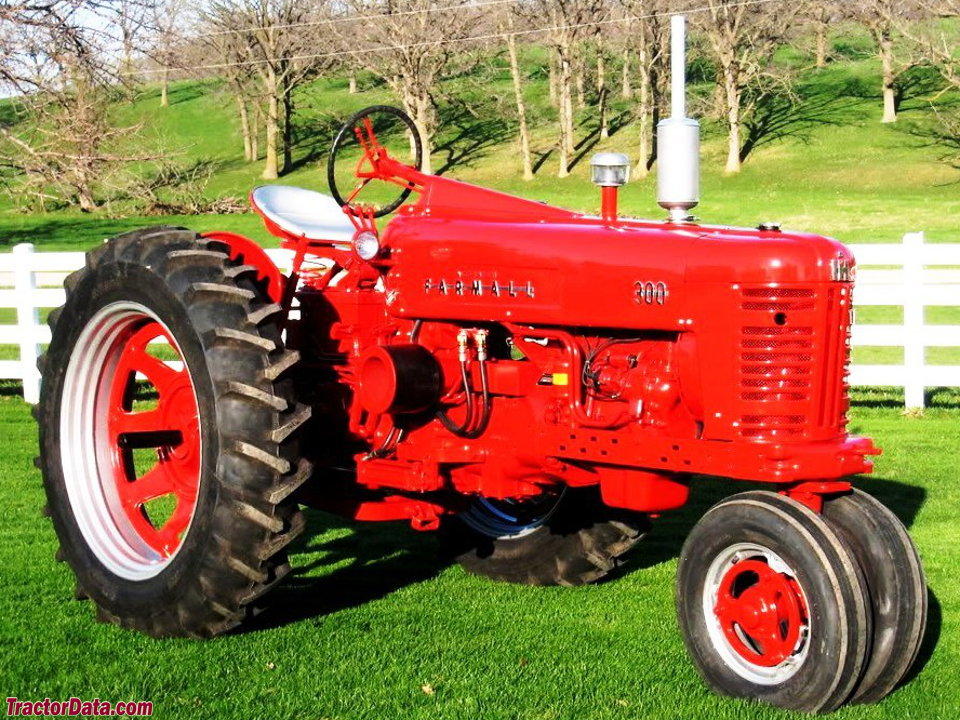
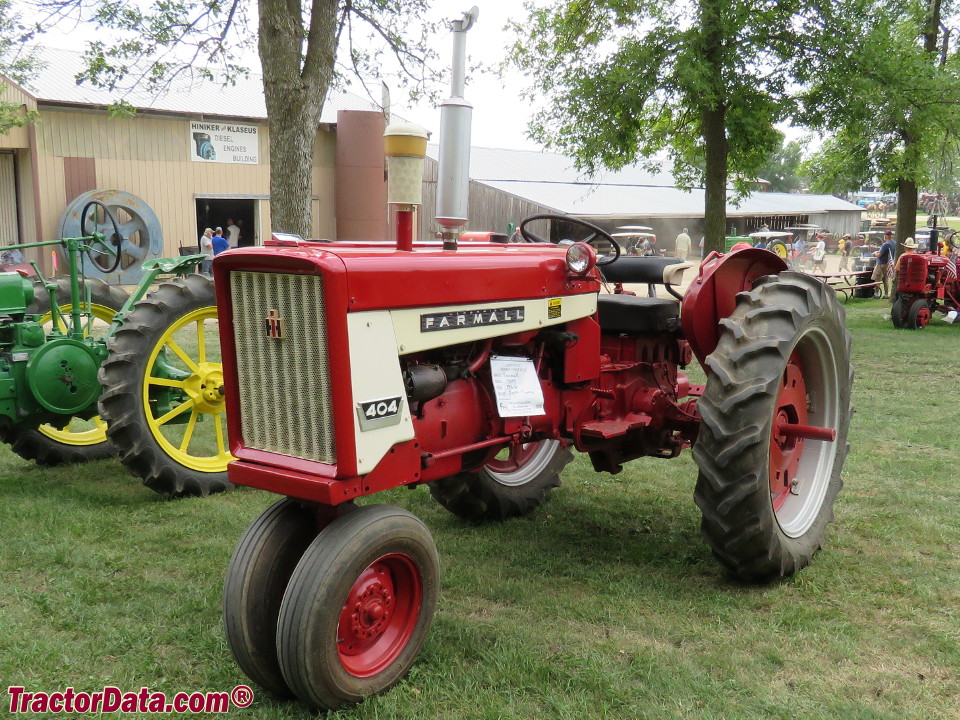
The Farmall 300 and the Farmall 404 are both tractors — here is how they stack up on the figures that matter. Farmall 404 leads on rated power with 37 hp against 35 hp. Farmall 300 is the lighter machine (2,431 kg vs 3,400 kg), which helps on soft ground and transport, while the heavier model carries more ballast for traction-limited draft work. Farmall 404 is the newer design (1961 vs 1954). In short: choose the Farmall 404 for outright pulling power, or the Farmall 300 if a tighter budget and lighter footprint matter more. Compare the full spec tables below before booking a demo.
Tune the fit score
Tell us about your operation
Fit & specs
Farmall
62
Fit score
Best match
Clear
Farmall
62
Fit score
Best match
Clear
Rated power
35 hp
37 hp
Confidence
40%
40%
Guide price
—
—
Overview
Manufacturer
Farmall (a part of International Harvester)Reference
Farmall (a part of International Harvester)Reference
Gear 3 used for power test.Reference
Add high range to basic four-speed transmission.Reference
Total built
170 (High-Clearance)Reference
2440Reference
Final drives
bull gearReference
—
Steering
—
power (optional)Reference
Variants
2404
—
industrialReference
IH 300
utility tractorReference
—
Farmall 300 High-Clearance
high-crop tractorReference
—
Farmall 404
—
row-crop chassisReference
IH 404
—
utility chassisReference
Engine
Fuel tank
64.3 LReference
—
Plows
3Reference
2-3Reference
Drawbar (tested)
26.4 kWReference
24.6 kWReference
Belt (tested)
28.6 kWReference
—
Displacement
2.8 LReference
2.2 LReference
Bore/Stroke
90 x 108 mmReference
83 x 103 mmReference
Air cleaner
oil bathReference
oil bathReference
Compression
6.6:1Reference
8:1Reference
Rated RPM
1750Reference
2000Reference
Idle RPM
900-1750Reference
900-2000Reference
Starter volts
6Reference
12Reference
Coolant capacity
15.6 LReference
14.2 LReference
Belt power (max)
28.6 kWReference
—
Max power
26.4 kWReference
24.6 kWReference
Drawbar (claimed)
—
21.6 kWReference
Oil capacity
—
18.9 LReference
Power at rated engine speed
—
27.4 kWReference
Transmission
Gears
10 forward and 2 reverseReference
4 forward and reverseReference
Transmission
Torque AmplifierReference
Dual-RangeReference
Clutch
—
9-inch dry discReference
PTO & Hydraulics
Type
two-speed power shiftReference
manual shuttleReference
Valves
1 to 3Reference
1 or 2Reference
Rear PTO
independentReference
transmissionReference
Rear PTO Type
540 (1.375)Reference
540Reference
PTO (claimed)
—
24.6 kWReference
PTO (tested)
—
27.4 kWReference
Hydraulic system
—
18.9 LReference
Capacity
—
18.9 LReference
Total flow
—
35.2 lpmReference
Rear Type
—
IReference
Dimensions
Wheelbase
243 cmReference
223 cmReference
Weight
2431 kgReference
3400 to 4115 poundsReference
Front tire
5.50-16Reference
5.00-15Reference
Rear tire
11-38Reference
11.2-36Reference
Ag front
7.50-16Reference
5.00-15Reference
Ag rear
13-38Reference
12.4-36Reference
Length
355 cmReference
238 cmReference
Width
254 cmReference
—
Height (steering wheel)
223 cmReference
162 cmReference
Clearance (rear axle)
64 cmReference
—
Bar rear axle
69 mmReference
—
Front tread
144 to 227 cmReference
127 to 208 cmReference
Rear tread
121 to 254 cmReference
121 to 223 cmReference
Shipping
—
1542 kgReference
Operating
—
1866 kgReference
Ballasted
—
3014 kgReference
Farmall 300 attachments
300 Serial Numbers
1954
501Reference
—
1955
1779Reference
—
1956
23224Reference
—
Location:
Serial number on the left side of the clutch housing.Reference
—
Electrical
Ground
positiveReference
—
Battery volts
6Reference
—
Attachment overview
Test results
Belt fuel use (max)
16.7 l/hourReference
—
Max pull
2529 kgReference
2267 kgReference
Fuel use
—
11.4 l/hourReference
Capacities
Fuel
—
71.9 LReference
Diameter
—
27 cmReference
RPM
—
948Reference
Speed
—
832.10 meters/minReference
Farmall 404 attachments
404 Serial Number Location
404 Serial Numbers
1961
—
501Reference
1962
—
826Reference
1963
—
1936Reference
1964
—
2259Reference
1965
—
2568Reference
1966
—
2790Reference
1967
—
2980Reference
1968
—
3170Reference
Speeds
Fit score weighs budget, operation size, crop match and data confidence against the details above. It’s guidance, not advice — always confirm with a dealer demo.