Search
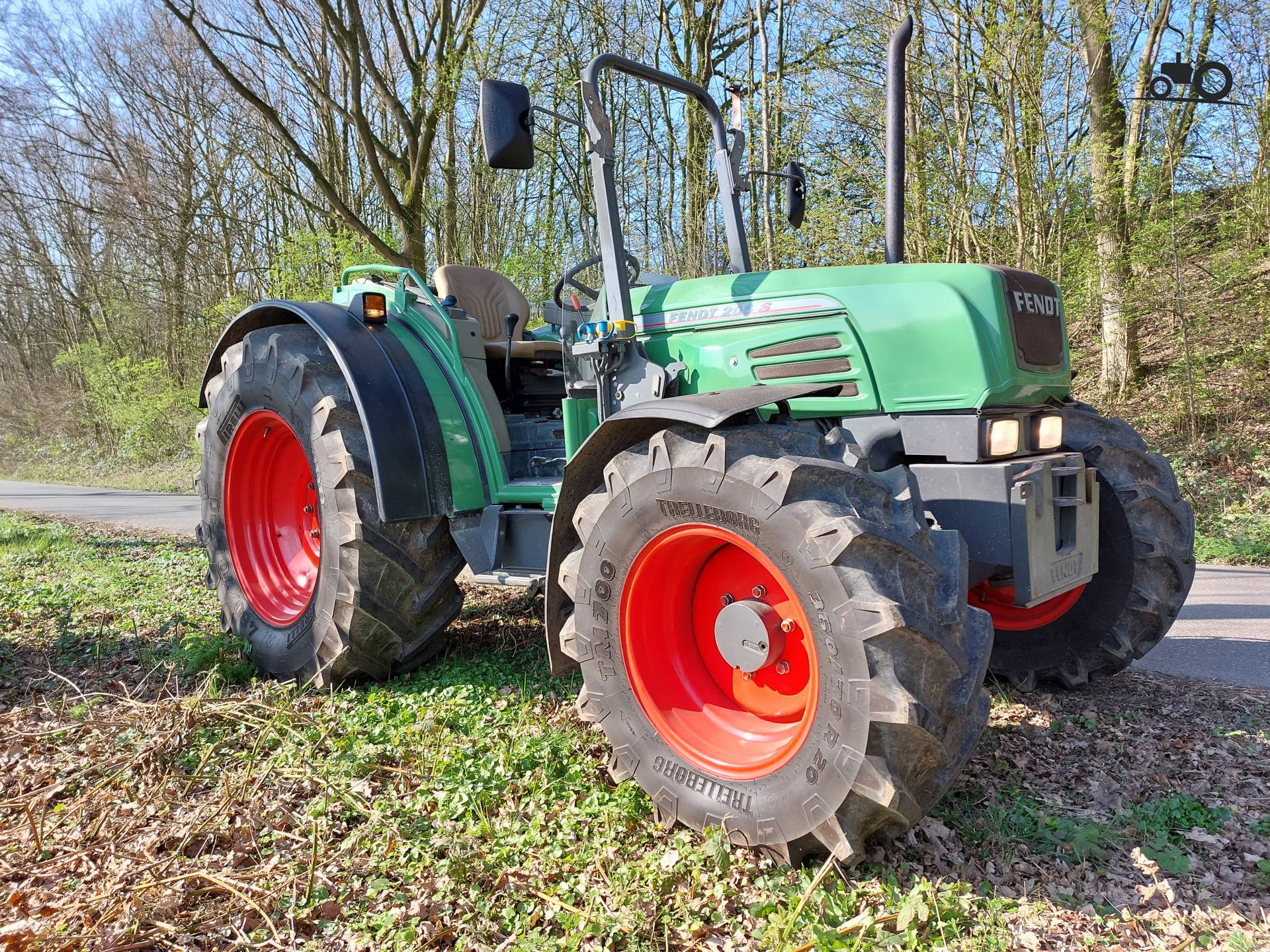
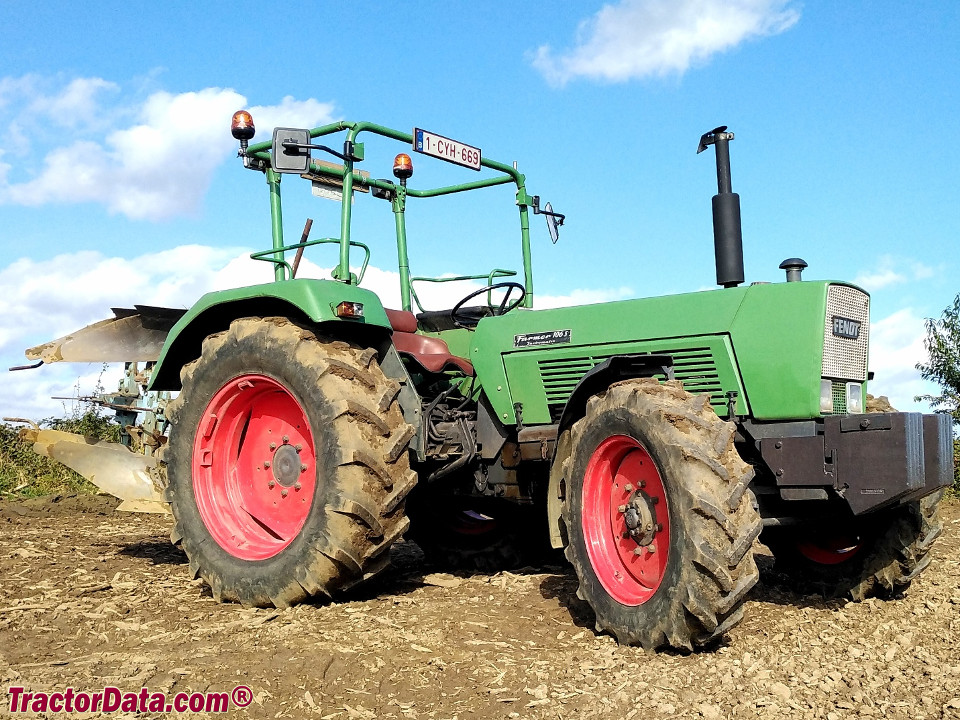
Fendt 206 vs Fendt Farmer 106S
Verdict: Fendt 206 vs Fendt Farmer 106S
The Fendt 206 and the Fendt Farmer 106S are both tractors — here is how they stack up on the figures that matter. Both are rated at the same 64 hp. Fendt 206 is the lighter machine (2,930 kg vs 6,735 kg), which helps on soft ground and transport, while the heavier model carries more ballast for traction-limited draft work. Fendt Farmer 106S holds more fuel (87.8 L vs 60.2 L) for longer stints between fills. Fendt 206 is the newer design (2003 vs 1972). Use the full side-by-side spec tables below to weigh the details against your own operation, and confirm with a dealer demo.
Tune the fit score
Tell us about your operation
Fit & specs
Fendt
71
Fit score
Best match
Clear
Fendt
71
Fit score
Best match
Clear
Rated power
64 hp
64 hp
Confidence
98%
98%
Guide price
—
—
Overview
Manufacturer
Fendt (a part of AGCO)Reference
FendtReference
Three gears (1-3) in two ranges (low/high) with three-speed splitter (L/M/S). Additional three overdrive gears (25/30/40) and mechanical shuttle.Reference
The D226-4 was used beginning in 1975.Reference
Variants
206S
utilityReference
—
206V
ultra-narrowReference
—
206F
narrowReference
—
106S
—
basicReference
106LS
—
deluxeReference
Engine
Fuel tank
60.2 LReference
87.8 LReference
Engine (gross)
48.0 kWReference
—
Engine (net)
44.0 kWReference
—
Displacement
3.2 LReference
4.2 LReference
Bore/Stroke
102 x 132 mmReference
105 x 120 mmReference
Rated Power (net)
44.0 kWReference
—
Rated Power (gross)
48.0 kWReference
—
Rated RPM
2300Reference
2175Reference
Torque
239.1 NmReference
—
Torque RPM
1500Reference
—
Starter
electricReference
electricReference
Starter volts
12Reference
12Reference
Engine
—
48.0 kWReference
Power
—
48.0 kWReference
Transmission
Gears
21 forward and reverseReference
16 forward and 5 reverseReference
PTO & Hydraulics
Type
shuttleReference
creeperReference
Pressure
200.0 barReference
—
Valves
2 or 3Reference
—
Pump flow
74.2 lpmReference
—
Rear Type
2Reference
—
Front Hitch
optionalReference
—
Rear PTO
independentReference
independentReference
Rear PTO Type
540/750/groundReference
540/1000Reference
Front PTO
independentReference
—
Front PTO Type
1000Reference
—
Rear lift
—
2580 kgReference
Dimensions
Wheelbase
210 cmReference
—
Weight
2930 kgReference
6735 to 7650 poundsReference
Front tire
335/80R18Reference
7.50-18Reference
Rear tire
16.9R28Reference
—
Standard tires (ag)
Front: 335/80R18. Rear: 16.9R28Reference
—
Optional tires (ag)
Front: 420/65R20. Rear: 540/65R30Reference
—
Length
356 cmReference
382 cmReference
Width
192 cmReference
200 cmReference
Height
247 cmReference
247 cmReference
Max weight
5299 kgReference
—
Front tread
149 cmReference
—
Rear tread
150 cmReference
—
2WD Wheelbase
—
222 cmReference
4WD Wheelbase
—
224 cmReference
2WD Rear tire
—
13.6/12-38Reference
2WD Standard tires (ag)
—
Front: 7.50-18. Rear: 13.6/12-38Reference
4WD Standard tires (ag)
—
Front: 11.2/10-24. Rear: 13.6/12-38Reference
2WD Weight
—
3054 kgReference
4WD Weight
—
3470 kgReference
Electrical
Ground
negativeReference
negativeReference
Charging system
alternatorReference
alternatorReference
Charging amps
95Reference
28Reference
Charging volts
14Reference
14Reference
Battery volts
12Reference
12Reference
Battery AH
88Reference
110Reference
Fit score weighs budget, operation size, crop match and data confidence against the details above. It’s guidance, not advice — always confirm with a dealer demo.