
Search
J.I. Case 2590 vs Upton 180
Verdict: J.I. Case 2590 vs Upton 180
The J.I. Case 2590 and the Upton 180 are both tractors — here is how they stack up on the figures that matter. Both are rated at the same 180 hp. Upton 180 is the lighter machine (8,391 kg vs 14,875 kg), which helps on soft ground and transport, while the heavier model carries more ballast for traction-limited draft work. Use the full side-by-side spec tables below to weigh the details against your own operation, and confirm with a dealer demo.
Tune the fit score
Tell us about your operation
Fit & specs
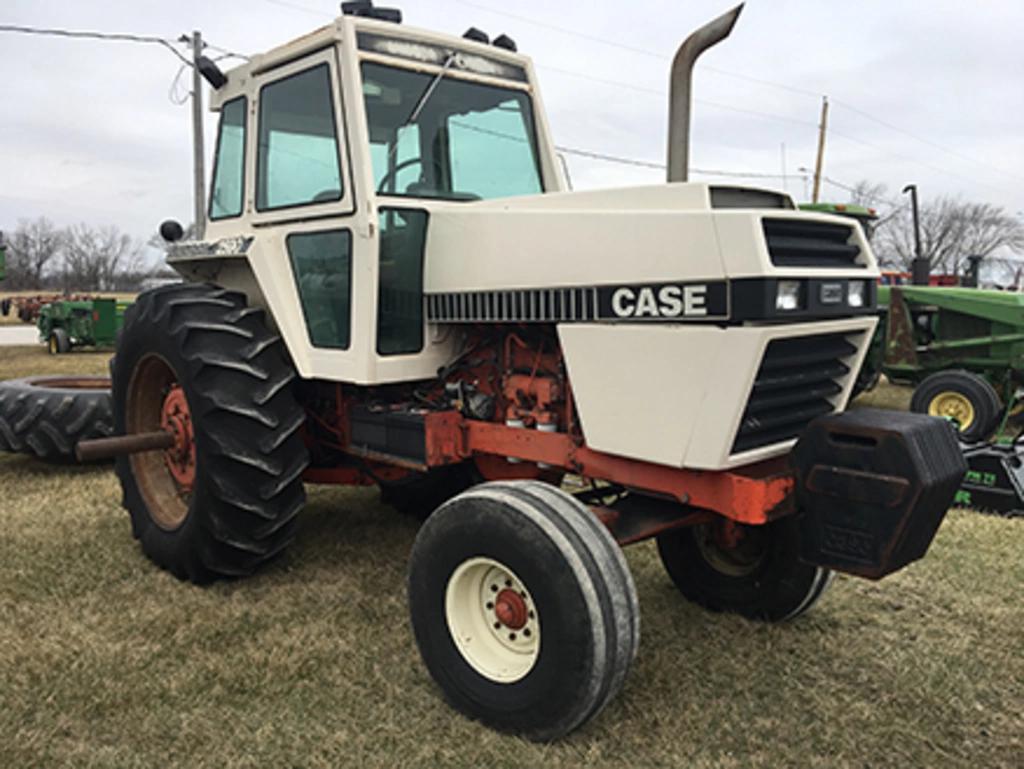
J.I. Case
85
Fit score
Best match
Clear
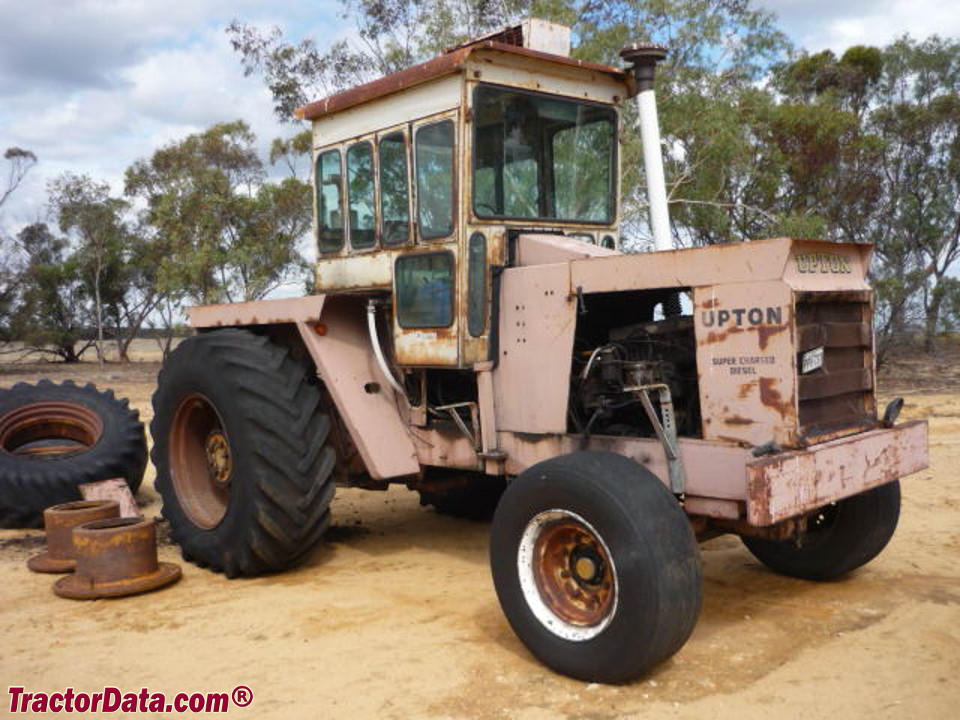
Upton
85
Fit score
Best match
Clear
Rated power
180 hp
180 hp
Confidence
40%
40%
Guide price
—
—
Overview
Manufacturer
J.I. CaseReference
UptonReference
With 18.4-38 rear tires.Reference
The Upton 180 used military-surplus gear boxes. The first gearbox offered four-forward and one-reverse speed. The second gearbox offered five-forward and one-reverse gear. This arrangement offered 21 forward and nine reverse gear combinations. The original rear gearbox was a Spicer from the LVT-4 landing craft. Later, Mack gearboxes from the M3 tank were used.Reference
Total built
6,065Reference
—
Differential lock
mechanical rearReference
—
Engine
Fuel tank
321.7 LReference
—
Drawbar (claimed)
118.6 kWReference
—
Drawbar (tested)
114.3 kWReference
—
Displacement
8.3 LReference
4.9 LReference
Bore/Stroke
117 x 127 mmReference
110 x 130 mmReference
Compression
15.8:1Reference
16:1Reference
Rated RPM
2100Reference
2400Reference
Starter volts
12Reference
—
Coolant capacity
41.6 LReference
—
Power at rated engine speed
134.5 kWReference
—
Max power
114.3 kWReference
—
Power
—
134.2 kWReference
Torque
—
621.0 NmReference
Torque RPM
—
1400Reference
Transmission
Gears
12 forward and 3 reverseReference
21 forward and 9 reverseReference
PTO & Hydraulics
PTO (claimed)
134.2 kWReference
—
PTO (tested)
134.5 kWReference
—
Type
partial power shiftReference
—
Pressure
151.7 barReference
172.4 barReference
Valves
2 to 4Reference
—
Pump flow
102.2 lpmReference
—
Steering flow
30.3 lpmReference
—
Steering press.
137.9 barReference
—
Rear Type
IIIReference
—
Rear lift
3628 kgReference
—
Rear PTO
independentReference
—
Rear PTO Type
1000 (1.375)Reference
—
Engine RPM
1000@2100Reference
—
Engine
—
134.2 kWReference
Total flow
—
75.7 lpmReference
Dimensions
Wheelbase
264 cmReference
—
Weight
14875 to 15740 poundsReference
8391 kgReference
Front tire
11.00-16Reference
11.00x16Reference
Rear tire
18.4-38Reference
18.4x34Reference
Ag front
11.00-16Reference
11.00x16Reference
Ag rear
20.8-42Reference
18.4x38Reference
Length
465 cmReference
457 cmReference
Height (cab)
293 cmReference
—
Height (exhaust)
298 cmReference
—
Rear axle
98 by 3048 mmReference
—
Shipping
6747 kgReference
—
Operating
7139 kgReference
—
Width
—
390 cmReference
Height
—
223 cmReference
Ground clearance
—
40 cmReference
J.I. Case 2590 attachments
2590 Serial Numbers
1978
8835443Reference
—
1979
8840001Reference
—
1980
9901001Reference
—
1981
9910025Reference
—
1982
9918830Reference
—
1983
9924700Reference
—
Location:
Data plate on instrument panelReference
—
Electrical
Ground
negativeReference
—
Charging system
alternatorReference
—
ROPS Charging amps
61Reference
—
Cab Charging amps
72Reference
—
Charging volts
12Reference
—
Capacities
Max capacity
9298 kgReference
—
Test results
Fuel use
43.1 l/hourReference
—
Speeds
Fit score weighs budget, operation size, crop match and data confidence against the details above. It’s guidance, not advice — always confirm with a dealer demo.