
Search
J.I. Case 300 vs J.I. Case 301
Verdict: J.I. Case 300 vs J.I. Case 301
The J.I. Case 300 and the J.I. Case 301 are both tractors — here is how they stack up on the figures that matter. Both are rated at the same 22 hp. J.I. Case 300 is the lighter machine (1,542 kg vs 1,701 kg), which helps on soft ground and transport, while the heavier model carries more ballast for traction-limited draft work. Use the full side-by-side spec tables below to weigh the details against your own operation, and confirm with a dealer demo.
Tune the fit score
Tell us about your operation
Fit & specs
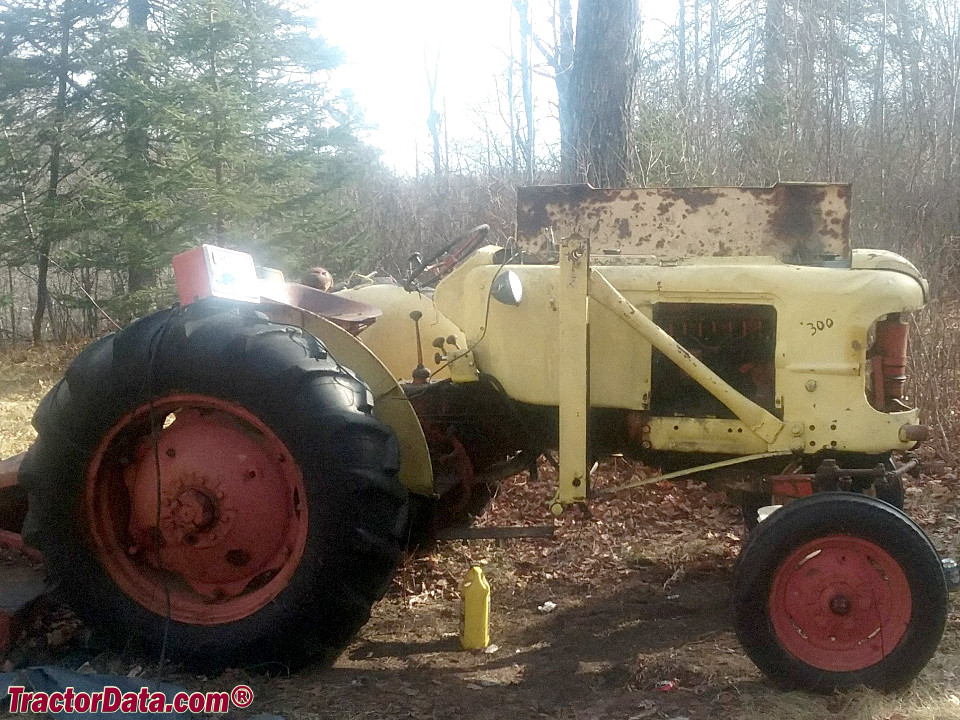
J.I. Case
62
Fit score
Best match
Clear
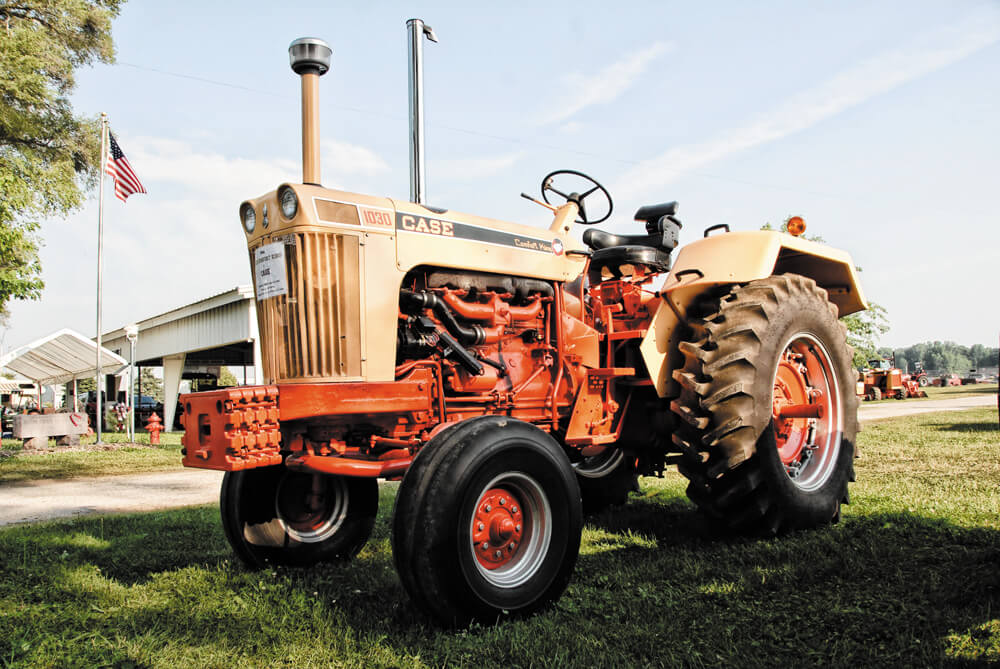
J.I. Case
62
Fit score
Best match
Clear
Rated power
22 hp
22 hp
Confidence
40%
40%
Guide price
—
—
Overview
Manufacturer
J.I. CaseReference
J.I. CaseReference
Four gears (1-4) plus reverse (R) in three ranges (low, direct, high).Reference
Four gears (1-4) plus reverse (R) in three ranges (low, direct, high).Reference
Total built
249Reference
905Reference
Original price
$3,500 (1958)Reference
$3,600 (1958)Reference
Steering
manualReference
manualReference
Variants
300
diesel utilityReference
diesel utilityReference
301
diesel row-cropReference
diesel row-cropReference
302
diesel high-cropReference
diesel high-cropReference
310
gasoline utilityReference
gasoline utilityReference
311
gasoline row-cropReference
gasoline row-cropReference
312
gasoline high-cropReference
gasoline high-cropReference
320
industrialReference
industrialReference
Engine
Drawbar (claimed)
16.4 kWReference
16.4 kWReference
Belt (claimed)
20.1 kWReference
20.1 kWReference
Plows
3Reference
3Reference
Displacement
2.6 LReference
2.6 LReference
Bore/Stroke
86 x 111 mmReference
86 x 111 mmReference
Air cleaner
oil bathReference
oil bathReference
Pre-heating
etherReference
etherReference
Compression
15.5:1Reference
15.5:1Reference
Rated RPM
1750Reference
1750Reference
Starter volts
12Reference
12Reference
Coolant capacity
11.4 LReference
11.4 LReference
Fuel tank
—
49.2 LReference
Drawbar (tested)
—
19.6 kWReference
Belt (tested)
—
23.0 kWReference
Belt power (max)
—
23.0 kWReference
Max power
—
19.6 kWReference
Transmission
Type
sliding gearReference
sliding gearReference
Gears
12 forward and 3 reverseReference
12 forward and 3 reverseReference
Clutch
wet discs (traction hand clutch)Reference
wet discs (traction hand clutch)Reference
Transmission
Tripl-RangeReference
Tripl-RangeReference
PTO & Hydraulics
Rear PTO
live (Tripl-Range)Reference
live (Tripl-Range)Reference
Rear PTO Type
540Reference
540Reference
Valves
—
1 (optional)Reference
Dimensions
Wheelbase
191 cmReference
—
Weight
1542 kgReference
1701 kgReference
Front tire
6.00x16Reference
5.50x16Reference
Rear tire
11x24Reference
11x28Reference
Ag front
6.00x16Reference
5.50x16Reference
Ag rear
11x24Reference
11x28Reference
Length
317 cmReference
—
Height
142 cmReference
154 cmReference
Ground clearance
30 cmReference
53 cmReference
Front tread
120 cmReference
132 to 203 cmReference
Rear tread
121 to 172 cmReference
121 to 223 cmReference
Tricycle Wheelbase
—
214 cmReference
Wide front Wheelbase
—
202 cmReference
Tricycle Length
—
332 cmReference
Wide-front Length
—
317 cmReference
Operating weight
—
1701 kgReference
Ballasted weight
—
2794 kgReference
300 Serial Numbers
1956
6050301Reference
6050301Reference
1957
6075001Reference
6075001Reference
1958
6095001Reference
6095001Reference
Location:
Serial number plate on the instrument panel.Reference
Instrument panelReference
301 Serial Numbers
Test results
Belt fuel use (max)
—
8.3 l/hourReference
Max pull
—
1844 kgReference
Fit score weighs budget, operation size, crop match and data confidence against the details above. It’s guidance, not advice — always confirm with a dealer demo.