Compare/John Deere 1850 vs John Deere 3100
Search

John Deere 1850 vs John Deere 3100

Verdict: John Deere 1850 vs John Deere 3100

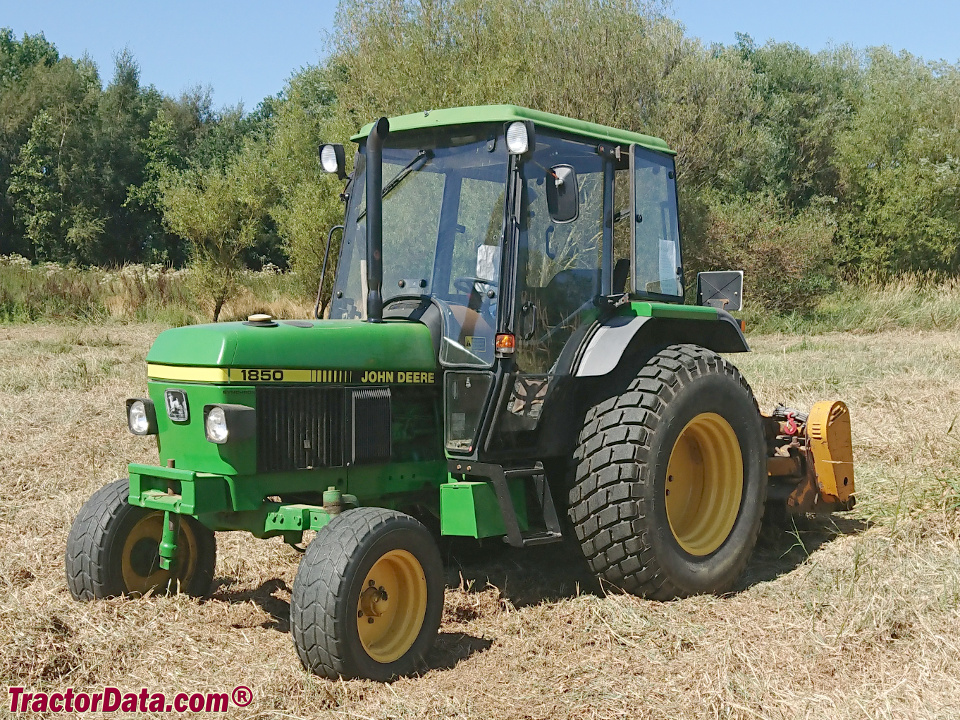
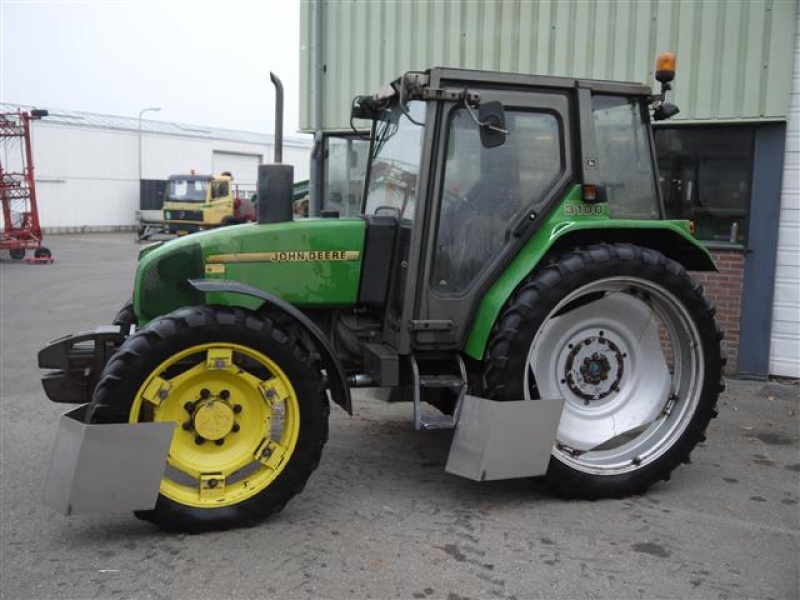
The John Deere 1850 and the John Deere 3100 are both tractors — here is how they stack up on the figures that matter. Both are rated at the same 55 hp. John Deere 3100 is the lighter machine (2,970 kg vs 5,997 kg), which helps on soft ground and transport, while the heavier model carries more ballast for traction-limited draft work. John Deere 3100 holds more fuel (115.1 L vs 78.0 L) for longer stints between fills. John Deere 3100 is the newer design (1995 vs 1986). Use the full side-by-side spec tables below to weigh the details against your own operation, and confirm with a dealer demo.
Tune the fit score
Tell us about your operation
Fit & specs
John Deere 1850 Tractor
John Deere
71
Fit score
Best match
Clear
John Deere 3100 Tractor
John Deere
71
Fit score
Best match
Clear
Rated power
55 hp
55 hp
Confidence
98%
98%
Guide price
Overview
Manufacturer
John DeereReference
RenaultReference
The optional Power Synchron transmission adds a left-hand power shift to the basic transmission.Reference
The Twinshift provides a push-button splitter to the base transmission.Reference
Final drives
planetaryReference
Distributor
John DeereReference
Engine
Fuel tank
78.0 LReference
115.1 LReference
Engine (net)
41.0 kWReference
41.0 kWReference
Displacement
2.9 LReference
2.9 LReference
Bore/Stroke
106 x 110 mmReference
Power (net)
41.0 kWReference
Air cleaner
dryReference
Rated RPM
2400Reference
2280Reference
Torque
195.0 NmReference
204.8 NmReference
Torque RPM
1300Reference
1500Reference
Starter volts
12Reference
12Reference
Starter power
3.0 kWReference
Oil change
200 hReference
Rated Power (net)
41.0 kWReference
Starter
electricReference
Transmission
Gears
12 forward and 8 reverseReference
20 forward and reverseReference
Transmission
Power SynchronReference
TwinshiftReference
PTO & Hydraulics
PTO (claimed)
37.0 kWReference
Type
creeperReference
two-speed power shiftReference
Pressure
190.0 barReference
180.0 barReference
Pump flow
43.9 lpmReference
51.9 lpmReference
Rear Type
II/IReference
IIReference
Control
position and draft controlReference
lower-link draft sensingReference
Rear lift (at 24"/610mm)
1274 kgReference
Rear PTO
independentReference
Clutch
dry discReference
mechanicalReference
Rear PTO Type
540/1000Reference
540/1000Reference
Engine RPM
540@2070Reference
Steering flow
26.5 lpmReference
Rear lift
3823 kgReference
Dimensions
Wheelbase
204 cmReference
Weight
5997 to 6991 poundsReference
2970 kgReference
Front tire
7.50-16Reference
2WD Rear tire
16.9-30Reference
2WD Standard tires (ag)
Front: 7.50-16. Rear: 16.9-30Reference
4WD Standard tires (ag)
Front: 11.2-24. Rear: 16.9-30Reference
Length
375 cmReference
Width
204 cmReference
185 cmReference
Height (cab)
236 cmReference
242 cmReference
2WD Cab Shipping weight
2720 kgReference
4WD Cab Shipping weight
3171 kgReference
Ground clearance
62 cmReference
Front tread
125 to 205 cmReference
Rear tread
130 to 199 cmReference
Shipping weight
2970 kgReference
Electrical
Ground
negativeReference
negativeReference
Charging amps
55Reference
65Reference
Batteries
2Reference
Battery volts
12Reference
12Reference
Battery AH
55Reference
105Reference
Charging system
alternatorReference
Speeds

Fit score weighs budget, operation size, crop match and data confidence against the details above. It’s guidance, not advice — always confirm with a dealer demo.

Comparing 0
Compare (pick 2+)