Search
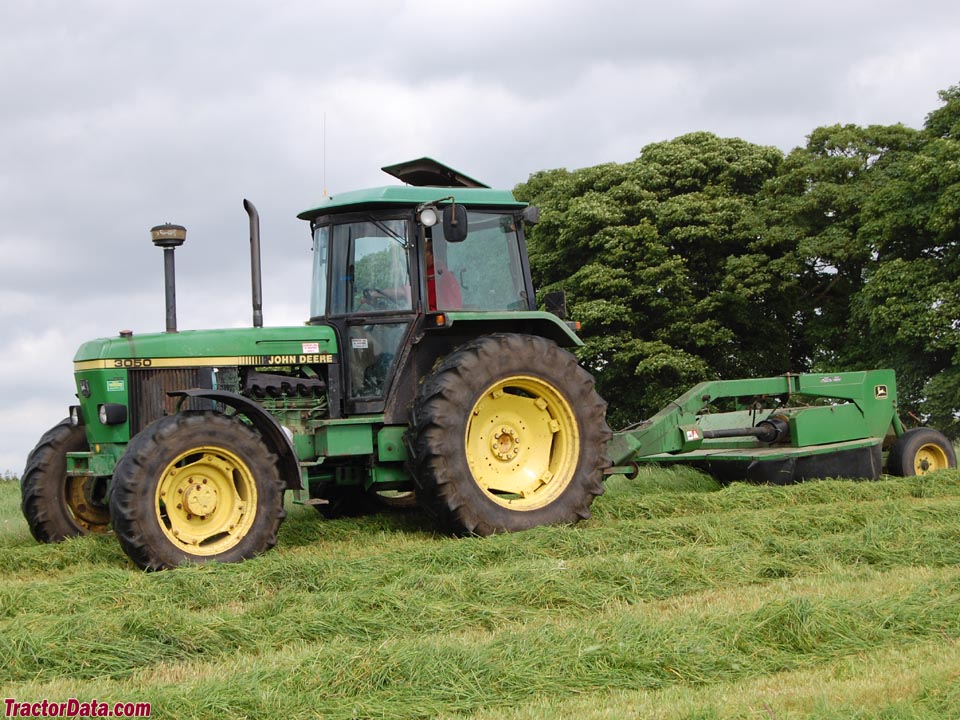
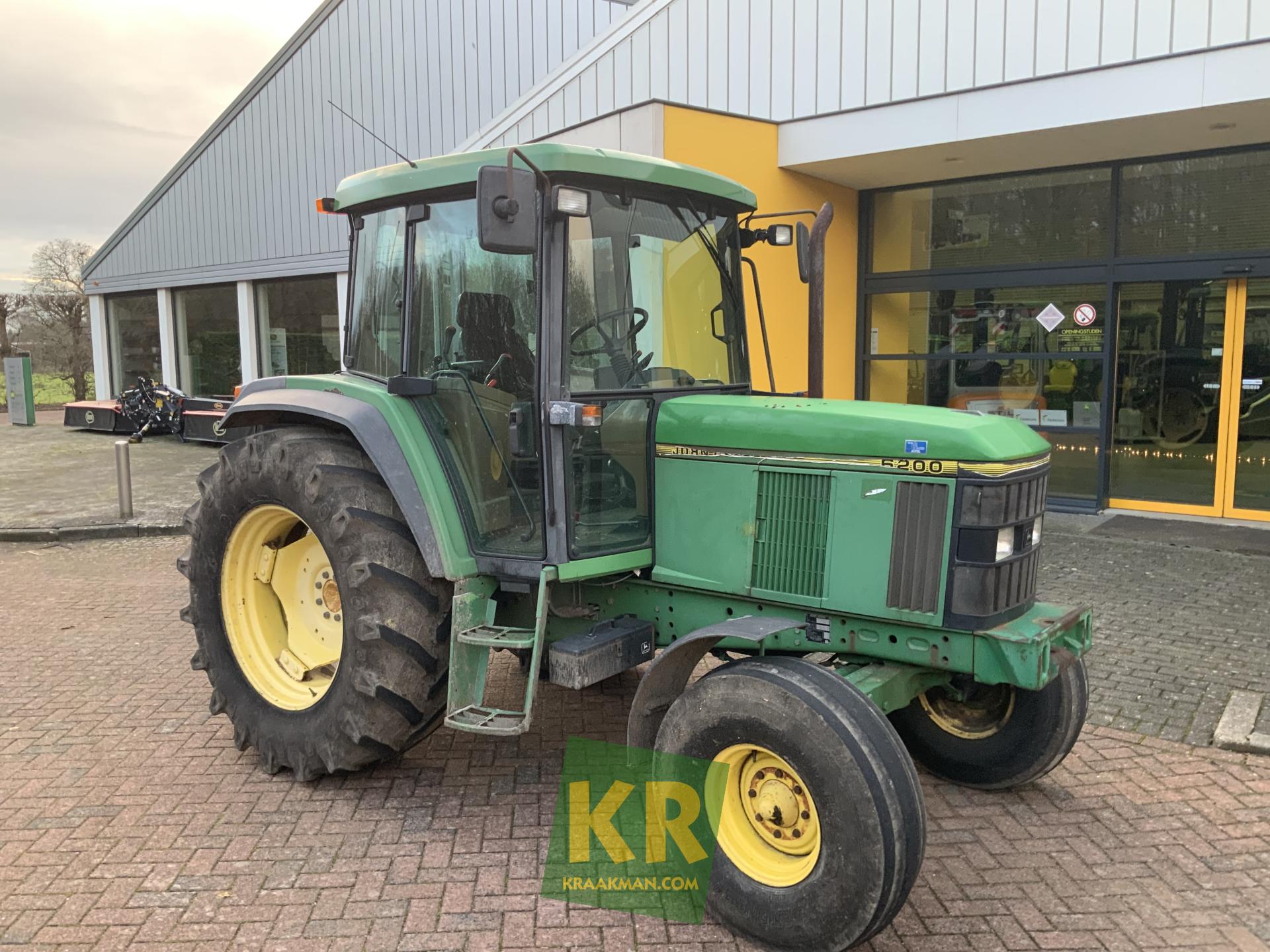
John Deere 3050 vs John Deere 6200 SE
Verdict: John Deere 3050 vs John Deere 6200 SE
The John Deere 3050 and the John Deere 6200 SE are both tractors — here is how they stack up on the figures that matter. Both are rated at the same 84 hp. John Deere 6200 SE is the lighter machine (3,900 kg vs 9,149 kg), which helps on soft ground and transport, while the heavier model carries more ballast for traction-limited draft work. John Deere 6200 SE is the newer design (1996 vs 1986). Use the full side-by-side spec tables below to weigh the details against your own operation, and confirm with a dealer demo.
Tune the fit score
Tell us about your operation
Fit & specs
John Deere
71
Fit score
Best match
Clear
John Deere
71
Fit score
Best match
Clear
Rated power
84 hp
84 hp
Confidence
98%
98%
Guide price
—
—
Overview
Manufacturer
John DeereReference
John DeereReference
With 16.9-38 rear tires.Reference
liquid-cooledReference
Final drives
planetaryReference
—
Differential lock
mechanical rearReference
—
Steering
—
hydrostatic powerReference
Engine
Engine
67.6 kWReference
62.6 kWReference
Displacement
5.9 LReference
3.9 LReference
Bore/Stroke
107 x 110 mmReference
106 x 110 mmReference
Power
67.6 kWReference
62.6 kWReference
Compression
17.4:1Reference
—
Rated RPM
2300Reference
2300Reference
Torque
340.1 NmReference
327.1 NmReference
Torque RPM
1400Reference
1500Reference
Starter volts
12Reference
12Reference
Starter power
3.0 kWReference
—
Oil capacity
11.5 LReference
—
Coolant capacity
19.0 LReference
—
Fuel tank
—
160.1 LReference
Starter
—
electricReference
Transmission
Transmission
Hi-LoReference
John Deere Power ReverserReference
Gears
16 forward and 8 reverseReference
16 forward and reverseReference
PTO & Hydraulics
PTO (claimed)
62.9 kWReference
—
Hydraulic system
52.0 LReference
—
Type
two-speed power shiftReference
power shuttleReference
Capacity
52.0 LReference
—
Pressure
186.0 barReference
200.0 barReference
Total flow
44.0 lpmReference
54.0 lpmReference
Rear Type
II/IIINReference
—
Control
position and draft controlReference
—
2WD Rear lift (at ends)
4076 kgReference
—
4WD Rear lift (at ends)
4898 kgReference
—
Front Hitch
IIReference
—
Front lift
1630 kgReference
—
Rear PTO
independentReference
—
Clutch
hydraulic cerametallic discReference
—
Rear PTO Type
540/1000Reference
540/1000Reference
Engine RPM
1000@2172Reference
—
Front PTO
independentReference
—
Front PTO Type
1000Reference
—
Rear lift
—
3850 kgReference
Capacities
Fuel
173.0 LReference
—
4WD Max capacity
7499 kgReference
—
Dimensions
2WD Wheelbase
255 cmReference
—
4WD Wheelbase
258 cmReference
—
Weight
9149 to 10714 poundsReference
3900 kgReference
Front tire
11.00x16Reference
13.6R24Reference
Rear tire
18.4x38Reference
16.9R34Reference
Ag front
14.9x26Reference
—
Ag rear
521/70x38Reference
—
Length
467 cmReference
414 cmReference
Width
216 cmReference
—
Height
288 cmReference
—
4WD Ground clearance
50 cmReference
—
2WD Ground clearance
68 cmReference
—
2WD Front tread
144 to 209 cmReference
—
4WD Front tread
151 to 200 cmReference
—
Rear tread
150 to 199 cmReference
—
2WD
4149 kgReference
—
4WD
4859 kgReference
—
Wheelbase
—
240 cmReference
Standard tires (ag)
—
Front: 13.6R24. Rear: 16.9R34Reference
Height (cab)
—
263 cmReference
Electrical
Ground
negativeReference
negativeReference
Charging amps
55Reference
—
Batteries
2Reference
—
Battery volts
12Reference
12Reference
Battery AH
88Reference
—
Speeds
Fit score weighs budget, operation size, crop match and data confidence against the details above. It’s guidance, not advice — always confirm with a dealer demo.