
Search
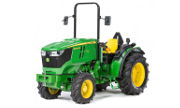
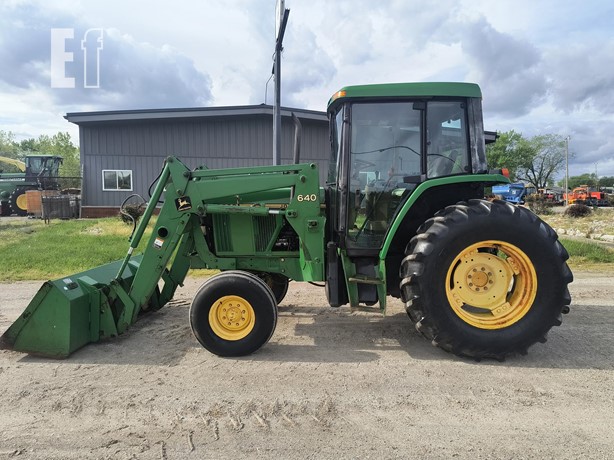
John Deere 5075GV vs John Deere 6300L
Verdict: John Deere 5075GV vs John Deere 6300L
The John Deere 5075GV and the John Deere 6300L are both tractors — here is how they stack up on the figures that matter. Both are rated at the same 75 hp. John Deere 5075GV is the lighter machine (5,379 kg vs 7,497 kg), which helps on soft ground and transport, while the heavier model carries more ballast for traction-limited draft work. John Deere 5075GV is the newer design (2016 vs 1992). Use the full side-by-side spec tables below to weigh the details against your own operation, and confirm with a dealer demo.
Tune the fit score
Tell us about your operation
Fit & specs
John Deere
71
Fit score
Best match
Clear
John Deere
71
Fit score
Best match
Clear
Rated power
75 hp
75 hp
Confidence
98%
98%
Guide price
—
—
Overview
Manufacturer
John DeereReference
John DeereReference
Four gears (1-4) in three ranges (A-C) with synchronized shuttle.Reference
Four power shift gears in four synchronized ranges, with reverser.Reference
Final drives
inboard planetaryReference
—
Differential lock
electrohydraulicReference
—
Variants
6300
—
utility tractorReference
5075GN
narrowReference
—
5075GV
vineyardReference
—
6300L
—
low-profileReference
Engine
Fuel tank
85.9 LReference
—
Engine (gross)
55.9 kWReference
—
Displacement
3.4 LReference
3.9 LReference
Bore/Stroke
99 x 110 mmReference
106 x 110 mmReference
Emissions
Tier IVReference
—
Rated Power (gross)
55.9 kWReference
—
Cooling system
viscous fanReference
—
Starter
electricReference
electricReference
Starter volts
12Reference
12Reference
Engine
—
69.4 kWReference
Power
—
69.4 kWReference
Compression
—
17.8:1Reference
Rated RPM
—
2300Reference
Starter power
—
3.1 kWReference
Oil capacity
—
48.8 LReference
Coolant capacity
—
11.0 LReference
Transmission
Transmission
SyncReverserReference
John Deere PowrQuad CreeperReference
Gears
12 forward and reverseReference
28 forward and reverseReference
PTO & Hydraulics
Type
open centerReference
partial power shiftReference
Rear valves
0 to 4Reference
—
Mid valves
0 to 4Reference
—
Pump flow
29.9 lpmReference
—
Total flow
126.4 lpmReference
96.1 lpmReference
Steering flow
29.9 lpmReference
—
Rear Type
IIReference
IIReference
Control
center link draft sensingReference
—
Rear lift (at ends)
3099 kgReference
—
Rear Arms
adjustable ball endsReference
—
Rear PTO
independentReference
—
Clutch
dry discReference
—
Rear PTO Type
540/540EReference
540/1000 (optional)Reference
PTO (claimed)
—
55.9 kWReference
Pressure
—
200.0 barReference
Valves
—
2Reference
Rear lift
—
2222 kgReference
Dimensions
Weight
5379 to 6051 poundsReference
7497 to 8004 poundsReference
Width
108 cmReference
197 cmReference
Flange rear axle
891 mmReference
—
2WD ROPS
2439 kgReference
—
4WD ROPS
2529 kgReference
—
2WD Cab
2654 kgReference
—
4WD Cab
2744 kgReference
—
Wheelbase
—
240 cmReference
Front tire
—
27/9.5-15Reference
Rear tire
—
16.9-24Reference
Ag front
—
10.5/80-18 (4WD)Reference
Ag rear
—
16.9-24Reference
Length
—
414 cmReference
Height (steering wheel)
—
169 cmReference
Height (ROPS)
—
229 cmReference
Height (Folded ROPS)
—
169 cmReference
Shipping weight
—
3630 kgReference
Ground clearance
—
32 cmReference
Electrical
Ground
negativeReference
negativeReference
Charging system
alternatorReference
alternatorReference
Battery volts
12Reference
12Reference
Charging amps
—
55Reference
Battery CCA
—
780Reference
Battery AH
—
154Reference
Capacities
Fuel
—
113.6 LReference
Front axle
—
6.4 LReference
Front hubs
—
3.4 LReference
John Deere 6300L attachments
Fit score weighs budget, operation size, crop match and data confidence against the details above. It’s guidance, not advice — always confirm with a dealer demo.