
Search
Kubota GL320 vs Kubota L2650
Verdict: Kubota GL320 vs Kubota L2650
The Kubota GL320 and the Kubota L2650 are both tractors — here is how they stack up on the figures that matter. Both are rated at the same 29 hp. Kubota L2650 is the lighter machine (2,380 kg vs 2,822 kg), which helps on soft ground and transport, while the heavier model carries more ballast for traction-limited draft work. Kubota GL320 is the newer design (1993 vs 1991). Use the full side-by-side spec tables below to weigh the details against your own operation, and confirm with a dealer demo.
Tune the fit score
Tell us about your operation
Fit & specs
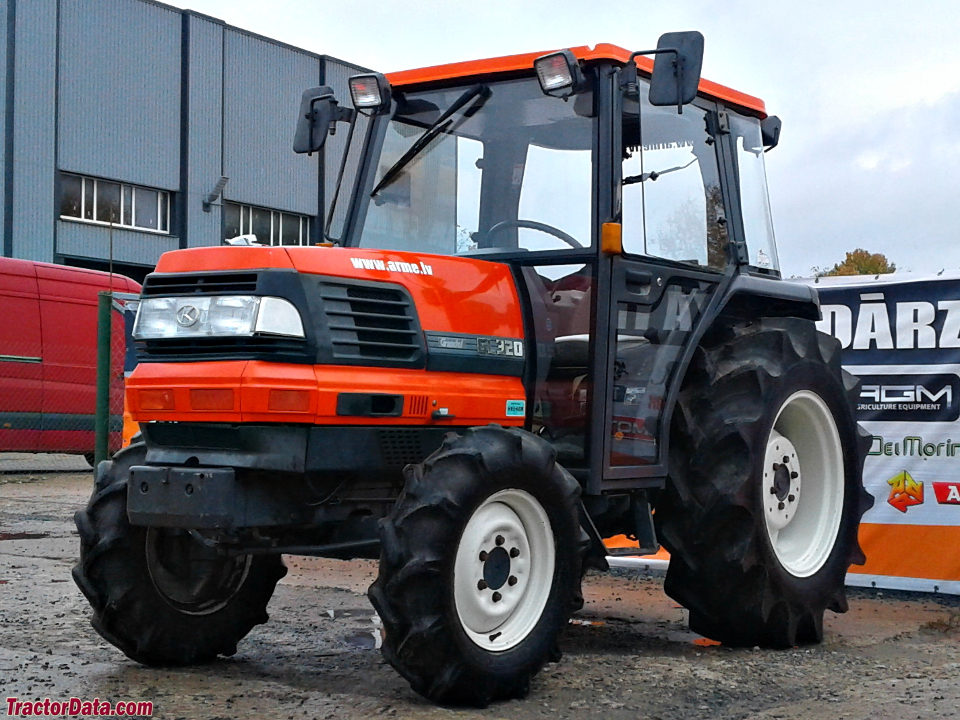
Kubota
71
Fit score
Best match
Clear
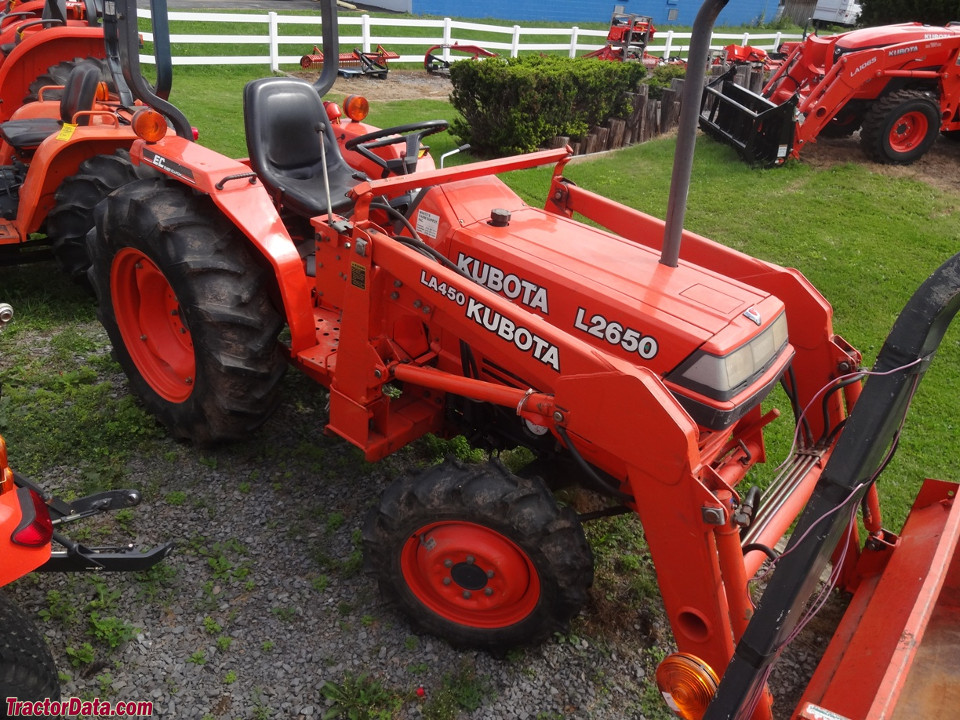
Kubota
71
Fit score
Best match
Clear
Rated power
29 hp
29 hp
Confidence
98%
98%
Guide price
—
—
Overview
Manufacturer
KubotaReference
KubotaReference
Four gears (1-4) in two ranges (low/high) with additional creeper range and shuttle shift.Reference
Kubota Glide Shift (GST) allows for on-the-go shifting without using the clutch. Transmission should be shifted one gear at a time using the left-hand gear lever. Forward-reverse shuttle shifting may be done without the clutch.Reference
Differential lock
—
mechanical rear lockReference
Steering
—
powerReference
Variants
GL320
ROPSReference
—
GL320Q
cabReference
—
GL320E
narrowReference
—
Engine
Fuel tank
35.0 LReference
—
Engine
23.6 kWReference
—
Displacement
1.5 LReference
1.4 LReference
Bore/Stroke
83 x 92 mmReference
84 x 81 mmReference
Power
23.6 kWReference
—
Rated RPM
2800Reference
2600Reference
Starter
electricReference
—
Starter volts
12Reference
12Reference
Engine (gross)
—
21.6 kWReference
Power (gross)
—
21.6 kWReference
Fuel system
—
direct injectionReference
Torque
—
89.2 NmReference
Coolant capacity
—
4.6 LReference
Oil capacity
—
27.0 LReference
Oil change
—
200 hReference
Transmission
Type
power shiftReference
mechanical shuttleReference
Gears
16 forward and reverseReference
8 forward and reverseReference
Clutch
dry discReference
dry discReference
Transmission
—
Kubota Glide ShiftReference
PTO & Hydraulics
PTO (claimed)
21.5 kWReference
17.5 kWReference
Pump flow
23.8 lpmReference
31.0 lpmReference
Rear Type
IReference
IReference
Rear lift
904 kgReference
—
Rear PTO Type
586/829/1016/1346 (1.375)Reference
540/1000 (1.375)Reference
Hydraulic system
—
28.4 LReference
Capacity
—
28.4 LReference
Pressure
—
171.7 barReference
Control
—
position control with optional draft controlReference
Rear lift (at ends)
—
1199 kgReference
Rear lift (at 24"/610mm)
—
900 kgReference
Rear PTO
—
live (optional)Reference
Mid PTO
—
optionalReference
Mid PTO Type
—
1080/2000Reference
Dimensions
Wheelbase
175 cmReference
164 cmReference
Weight
2822 to 3109 poundsReference
2380 to 2655 poundsReference
Front tire
8-16Reference
4.00-15Reference
Rear tire
13.6-24Reference
11.2-24 (2WD)Reference
Standard tires (ag)
Front: 8-16. Rear: 13.6-24Reference
Front: 7-16. Rear: 11.2-24 (4WD)Reference
Length
318 cmReference
277 cmReference
Width
145 cmReference
130 cmReference
Height (ROPS)
198 cmReference
211 cmReference
Height (cab)
199 cmReference
—
ROPS Weight
1280 kgReference
—
Cab Weight
1410 kgReference
—
Ground clearance
36 cmReference
34 cmReference
Front tread
113 cmReference
112 cmReference
Rear tread
110 to 157 cmReference
103/112/121/130/139 cmReference
Height (steering wheel)
—
147 cmReference
2WD
—
1079 kgReference
4WD
—
1179 kgReference
GST
—
1204 kgReference
Max Drawbar
—
498 kgReference
Electrical
Ground
negativeReference
negativeReference
Battery volts
12Reference
12Reference
Battery CCA
—
490Reference
Capacities
Fuel
—
29.1 LReference
Kubota L2650 attachments
L2650 Serial Number Location
Attachment overview
Kubota BL4520B Backhoe
Backhoe type
—
Kubota BL4590 BackhoeReference
Transport height
—
200 cmReference
Bucket width
—
91 cmReference
Digging depth
—
229 cmReference
Reach from pivot
—
295 cmReference
Loading height
—
200 cmReference
Bucket Rotation
—
180°Reference
Swing Arc
—
180°Reference
Bucket force
—
1338 kgReference
Dipperstick force
—
789 kgReference
Kubota L4530B Backhoe
Kubota BL4590 Backhoe
Speeds
Fit score weighs budget, operation size, crop match and data confidence against the details above. It’s guidance, not advice — always confirm with a dealer demo.