Compare/Massey Ferguson 595 vs Massey Ferguson 699
Search

Massey Ferguson 595 vs Massey Ferguson 699

Verdict: Massey Ferguson 595 vs Massey Ferguson 699

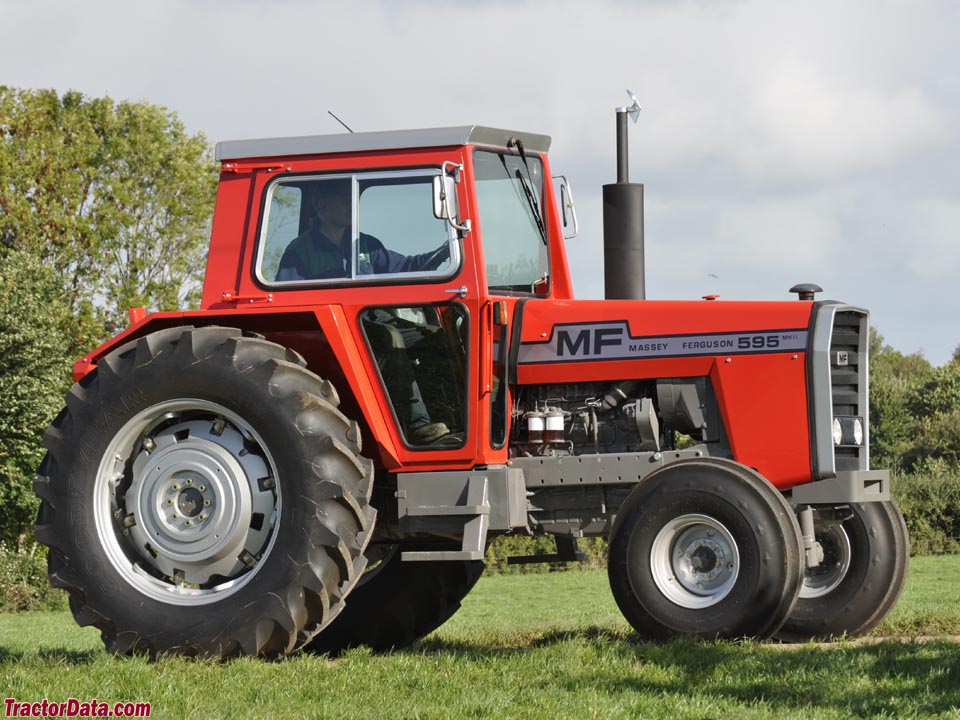
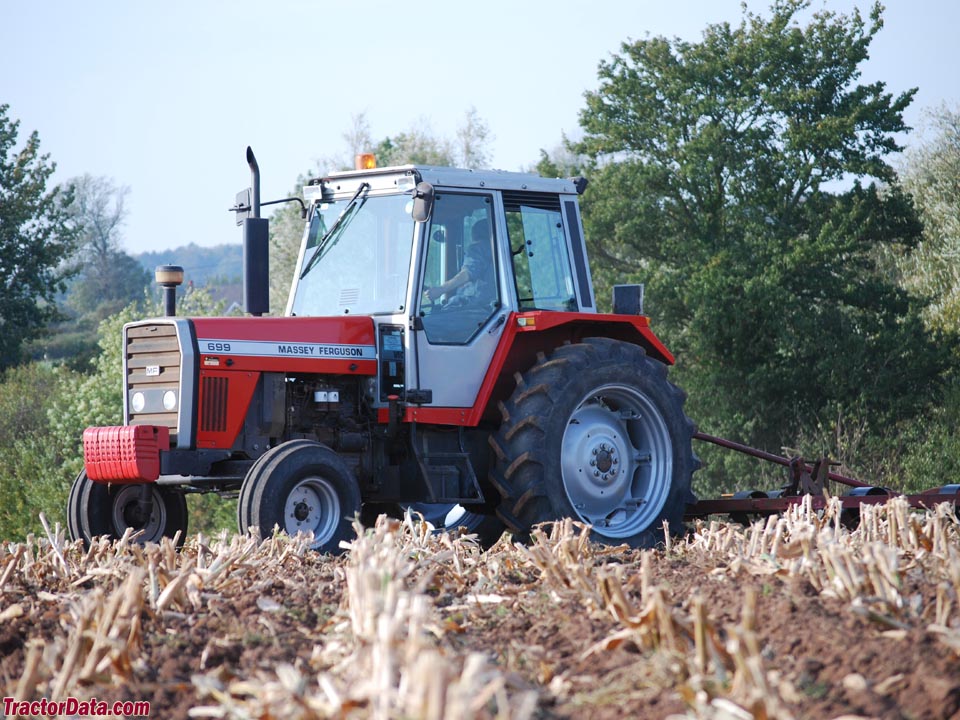
The Massey Ferguson 595 and the Massey Ferguson 699 are both tractors — here is how they stack up on the figures that matter. Massey Ferguson 595 leads on rated power with 87 hp against 86 hp. Massey Ferguson 699 is the lighter machine (8,304 kg vs 9,040 kg), which helps on soft ground and transport, while the heavier model carries more ballast for traction-limited draft work. Massey Ferguson 699 holds more fuel (145.0 L vs 127.9 L) for longer stints between fills. Massey Ferguson 699 is the newer design (1984 vs 1974). In short: choose the Massey Ferguson 595 for outright pulling power, or the Massey Ferguson 699 if a tighter budget and lighter footprint matter more. Compare the full spec tables below before booking a demo.
Tune the fit score
Tell us about your operation
Fit & specs
Massey Ferguson 595 Tractor
Massey Ferguson
71
Fit score
Best match
Clear
Massey Ferguson 699 Tractor
Massey Ferguson
71
Fit score
Best match
Clear
Rated power
87 hp
86 hp
Confidence
98%
98%
Guide price
Overview
Manufacturer
Massey FergusonReference
By 1980, Massey Ferguson model 595 tractors sold in certain markets were equipped with turbochargers.Reference
Gear 2HL used for pull test.Reference
Final drives
outboard planetaryReference
planetaryReference
Steering
hydrostatic powerReference
Differential lock
mechanical rearReference
Engine
Fuel tank
127.9 LReference
145.0 LReference
Engine
64.7 kWReference
Displacement
5.2 LReference
5.8 LReference
Bore/Stroke
114 x 127 mmReference
98 x 127 mmReference
Power
64.7 kWReference
Rated RPM
2000Reference
2200Reference
Torque
343.1 NmReference
Torque RPM
1300Reference
Starter volts
12Reference
12Reference
Drawbar (tested)
51.7 kWReference
Power at rated engine speed
64.0 kWReference
Max power
51.7 kWReference
Transmission
Transmission
Multi-PowerReference
Gears
8 forward and 2 reverseReference
12 forward and 4 reverseReference
PTO & Hydraulics
Type
partial power shiftReference
synchromeshReference
Pressure
165.5 barReference
172.4 barReference
Pump flow
25.4 lpmReference
26.5 lpmReference
Rear Type
2Reference
IIReference
Control
position and draft control with top-link sensingReference
Rear lift
2449 kgReference
Rear PTO
independentReference
Clutch
305mm dry discReference
dry discReference
Rear PTO Type
1000 (1.375)Reference
540/1000Reference
Engine RPM
1000@2000Reference
1000@1900Reference
PTO (claimed)
63.4 kWReference
PTO (tested)
64.0 kWReference
Valves
2 or 3Reference
Total flow
64.3 lpmReference
Rear lift (at 24"/610mm)
2385 kgReference
Power at rated PTO speed
58.2 kWReference
Dimensions
Wheelbase
260 cmReference
258 cmReference
Weight
4490 kgReference
8304 to 10325 poundsReference
Front tire
11.00-16Reference
10.00-16Reference
Rear tire
16.9-38 (2WD)Reference
Standard tires (ag)
Front: 12.4-28. Rear: 16.9-38 (4WD)Reference
Length
446 cmReference
432 cmReference
Height (cab)
262 cmReference
271 cmReference
2WD Rear tire
18.4-34Reference
2WD Standard tires (ag)
Front: 10.00-16. Rear: 18.4-34Reference
4WD Standard tires (ag)
Front: 14.9-24. Rear: 18.4-34Reference
Width
205 cmReference
2WD Front tread
162 to 195 cmReference
4WD Front tread
167 to 187 cmReference
Rear tread
152 to 243 cmReference
2WD ROPS Shipping
3766 kgReference
2WD Cab Shipping
4129 kgReference
4WD ROPS Shipping
4207 kgReference
4WD Cab Shipping
4570 kgReference
Operating
4683 kgReference
Ballasted
5867 kgReference
Variants
699
2WDReference
699-4
4WDReference
Electrical
Ground
negativeReference
Charging system
alternatorReference
Charging amps
55Reference
Battery volts
12Reference
Test results
Fuel use
19.7 l/hourReference
Max pull
3954 kgReference

Fit score weighs budget, operation size, crop match and data confidence against the details above. It’s guidance, not advice — always confirm with a dealer demo.

Comparing 0
Compare (pick 2+)