
Search
Mitsubishi GSK255 vs Mitsubishi MT300
Verdict: Mitsubishi GSK255 vs Mitsubishi MT300
The Mitsubishi GSK255 and the Mitsubishi MT300 are both tractors — here is how they stack up on the figures that matter. Both are rated at the same 26 hp. Mitsubishi MT300 is the lighter machine (2,337 kg vs 2,877 kg), which helps on soft ground and transport, while the heavier model carries more ballast for traction-limited draft work. Mitsubishi GSK255 is the newer design (2013 vs 1984). Use the full side-by-side spec tables below to weigh the details against your own operation, and confirm with a dealer demo.
Tune the fit score
Tell us about your operation
Fit & specs
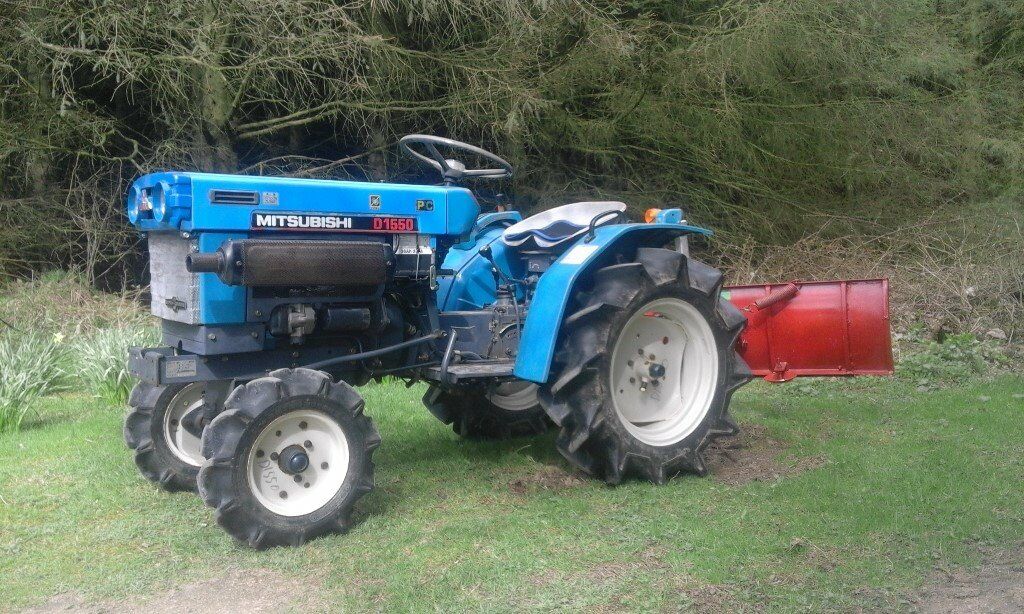
Mitsubishi
62
Fit score
Best match
Clear
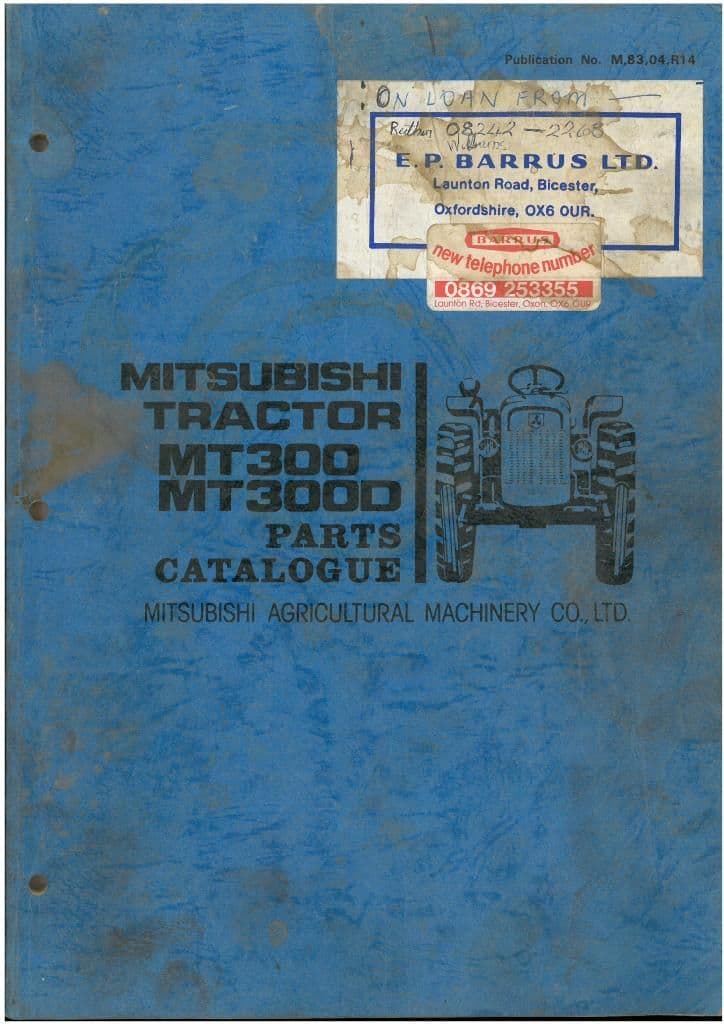
Mitsubishi
62
Fit score
Best match
Clear
Rated power
26 hp
26 hp
Confidence
40%
40%
Guide price
—
—
Overview
Manufacturer
MitsubishiReference
MitsubishiReference
Reverse speeds are 15% slower than forward.Reference
Three gears (1-3) plus reverse (R) in three ranges (low/medium/high). Optional creeper range.Reference
Drive
half-trackReference
—
Differential lock
—
rear standardReference
Steering
—
powerReference
Variants
GS251
wheeled ROPSReference
—
GS251X
wheeled cabReference
—
GSK255
half-trackReference
—
MT300
—
2WDReference
MT300D
—
4WDReference
Engine
Fuel tank
25.0 LReference
—
Engine
19.5 kWReference
22.4 kWReference
Displacement
1.5 LReference
1.5 LReference
Bore/Stroke
86 x 86 mmReference
84 x 90 mmReference
Power
19.5 kWReference
22.4 kWReference
Rated RPM
2500Reference
2700Reference
Starter
electricReference
—
Starter volts
12Reference
12Reference
Air cleaner
—
dry elementReference
Transmission
Gears
12 forward and reverseReference
infinite forward and reverseReference
Clutch
—
dry discReference
PTO & Hydraulics
Rear Type
JIS0Reference
IReference
Rear PTO Type
540 (1.375)Reference
540/1000 (1.375)Reference
Engine RPM
-1224@2500Reference
1000@2353Reference
PTO (claimed)
—
19.4 kWReference
Type
—
hydrostaticReference
Pump flow
—
21.6 lpmReference
Steering flow
—
7.2 lpmReference
Control
—
draft controlReference
Rear PTO
—
independentReference
Dimensions
ROPS Wheelbase
150 cmReference
—
Cab Wheelbase
154 cmReference
—
Weight
2877 to 3296 poundsReference
2337 to 2558 poundsReference
Front tire
7-14Reference
5.00-15Reference
Rear tire
tracksReference
—
Ag front
7-14Reference
—
Ag rear
400mm tracksReference
—
ROPS Length
283 cmReference
—
Cab Length
289 cmReference
—
Width
143 cmReference
140 cmReference
Height (ROPS)
199 cmReference
—
Height (cab)
199 cmReference
—
ROPS Weight
1305 kgReference
—
Cab Weight
1495 kgReference
—
Ground clearance
41 cmReference
—
Front tread
96 cmReference
—
Rear tread
103 cmReference
101 to 152 cmReference
Wheelbase
—
157 cmReference
2WD Rear tire
—
12.4-24Reference
2WD Standard tires (ag)
—
Front: 5.00-15. Rear: 12.4-24Reference
4WD Standard tires (ag)
—
Front: 7-16. Rear: 12.4-24Reference
2WD Lawn/turf front
—
20x8.00-10Reference
4WD Lawn/turf front
—
6-14Reference
Lawn/turf rear
—
13.6-16Reference
Length
—
293 cmReference
4WD Height
—
141 cmReference
2WD Height
—
142 cmReference
2WD Weight
—
1060 kgReference
4WD Weight
—
1160 kgReference
4WD Ground clearance
—
27 cmReference
2WD Ground clearance
—
34 cmReference
2WD Front tread
—
107 to 133 cmReference
4WD Front tread
—
119 cmReference
Electrical
Ground
negativeReference
negativeReference
Battery volts
12Reference
12Reference
Speeds
Fit score weighs budget, operation size, crop match and data confidence against the details above. It’s guidance, not advice — always confirm with a dealer demo.