Compare/Oliver 2050 vs Oliver OC-15
Search

Oliver 2050 vs Oliver OC-15

Verdict: Oliver 2050 vs Oliver OC-15

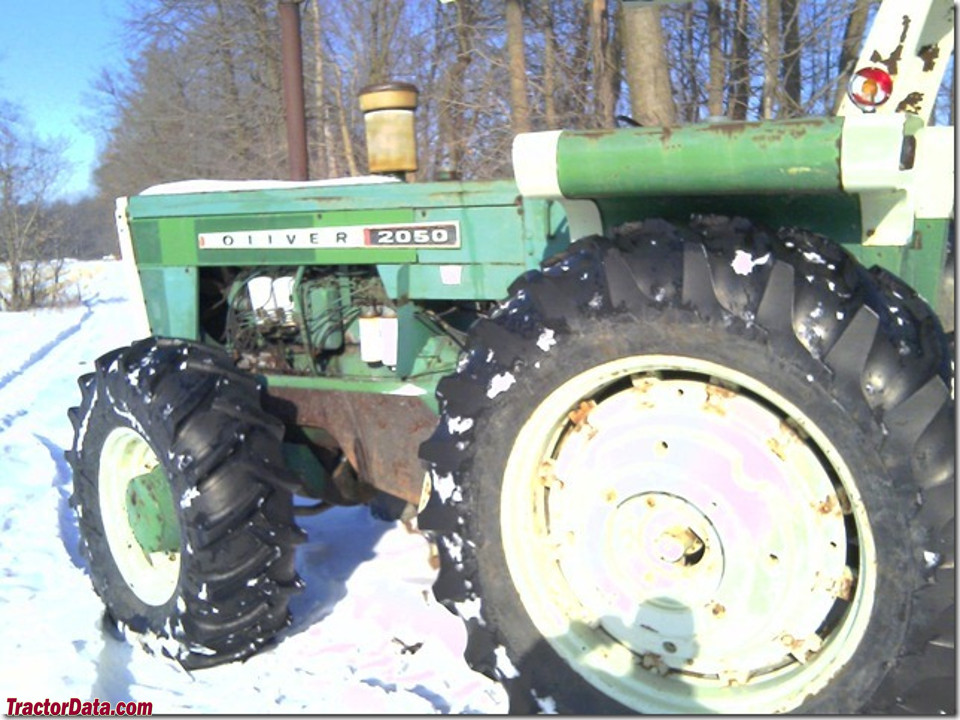
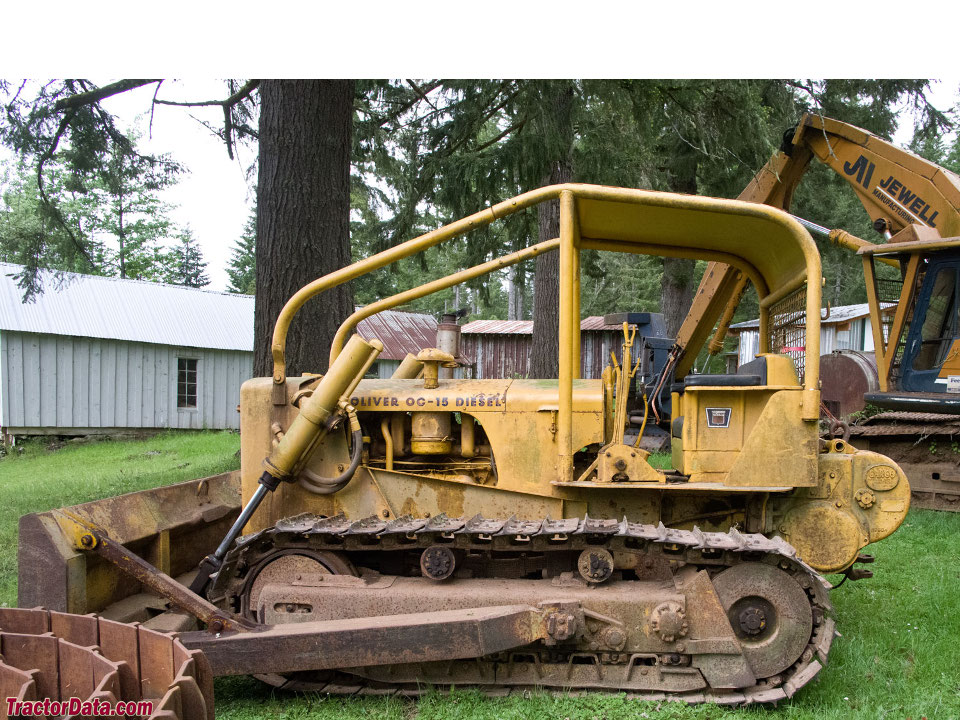
The Oliver 2050 and the Oliver OC-15 are both tractors — here is how they stack up on the figures that matter. Oliver 2050 leads on rated power with 119 hp against 110 hp. Oliver 2050 is the lighter machine (6,595 kg vs 16,835 kg), which helps on soft ground and transport, while the heavier model carries more ballast for traction-limited draft work. Oliver OC-15 holds more fuel (174.1 L vs 104.1 L) for longer stints between fills. Oliver 2050 is the newer design (1968 vs 1956). In short: choose the Oliver 2050 for outright pulling power, or the Oliver OC-15 if a tighter budget and lighter footprint matter more. Compare the full spec tables below before booking a demo.
Tune the fit score
Tell us about your operation
Fit & specs
Oliver 2050 Tractor
Oliver
85
Fit score
Best match
Clear
Oliver OC-15 Tractor
Oliver
85
Fit score
Best match
Clear
Rated power
119 hp
110 hp
Confidence
40%
40%
Guide price
Overview
Manufacturer
OliverReference
OliverReference
Oliver Hydraul-Shift provides a clutchless, on-the-move shift to an over- and under-drive for each of six forward gears.Reference
Gear 1 used for pull test.Reference
Total built
383Reference
585Reference
Final drives
planetaryReference
Drive
crawlerReference
Engine
Fuel tank
295.2 LReference
174.1 LReference
Drawbar (tested)
71.9 kWReference
67.9 kWReference
Displacement
7.8 LReference
8.7 LReference
Bore/Stroke
116 x 124 mmReference
117 x 133 mmReference
Air cleaner
dryReference
Compression
18.0:1Reference
15:1Reference
Rated RPM
2400Reference
1500Reference
Firing order
1-5-3-6-2-4Reference
Starter volts
12Reference
24Reference
Oil capacity
18.0 LReference
Coolant capacity
26.5 LReference
39.7 LReference
Power at rated engine speed
88.6 kWReference
Max power
71.9 kWReference
67.9 kWReference
Engine (net)
82.0 kWReference
Drawbar (claimed)
52.9 kWReference
Belt (claimed)
66.4 kWReference
Belt (tested)
76.0 kWReference
Power (net)
82.0 kWReference
Starter
electricReference
Belt power (max)
76.0 kWReference
Transmission
Gears
18 forward and 6 reverseReference
4 forward and 2 reverseReference
Clutch
330mm cerametallic discReference
355.6mm mechanical dry discReference
Transmission
Hydraul-ShiftReference
PTO & Hydraulics
PTO (claimed)
88.0 kWReference
PTO (tested)
88.6 kWReference
Type
partial powershiftReference
gearReference
Pressure
141.3 barReference
Valves
2 to 4Reference
Pump flow
34.1 lpmReference
Rear Type
IIIReference
Control
position and draft controlReference
Rear lift (at 24"/610mm)
2721 kgReference
Rear PTO
independentReference
Rear PTO Type
540/1000Reference
Dimensions
Wheelbase
248 cmReference
Weight
6595 kgReference
16835 to 17335 poundsReference
Front tire
11.00-16Reference
Rear tire
18.4-38Reference
Ag front
11.00-16Reference
Ag rear
24.5-32Reference
Length
412 cmReference
325 cmReference
Height (steering wheel)
217 cmReference
Operating weight
6595 kgReference
7863 kgReference
Ballasted weight
8568 kgReference
Ground clearance
48 cmReference
2WD Front tread
152 to 203 cmReference
4WD Front tread
167/179/203 cmReference
2WD Rear tread
154 to 231 cmReference
4WD Rear tread
156 to 283 cmReference
Height (hood)
179 cmReference
Shipping weight
7636 kgReference
2050 Serial Numbers
1968
204444Reference
1969
212560Reference
Final
213932Reference
Test results
Fuel use
28.8 l/hourReference
Max pull
5997 kgReference
7810 kgReference
Belt fuel use (max)
28.4 l/hourReference
Speeds
Variants
OC-15
crawlerReference
OC-156
track-loaderReference
Oliver OC-15 attachments
Oliver OC-15 Tracks
Width
241 cmReference

Fit score weighs budget, operation size, crop match and data confidence against the details above. It’s guidance, not advice — always confirm with a dealer demo.

Comparing 0
Compare (pick 2+)