Compare/Oliver 60 Row-Crop vs Oliver 66 Row-Crop
Search

Oliver 60 Row-Crop vs Oliver 66 Row-Crop

Verdict: Oliver 60 Row-Crop vs Oliver 66 Row-Crop

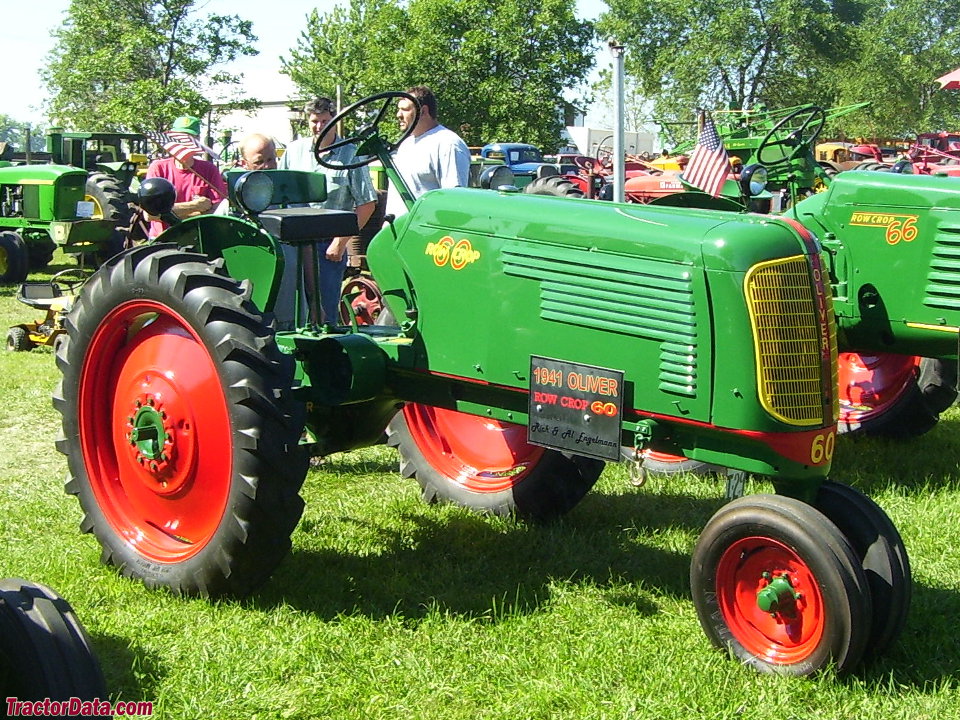
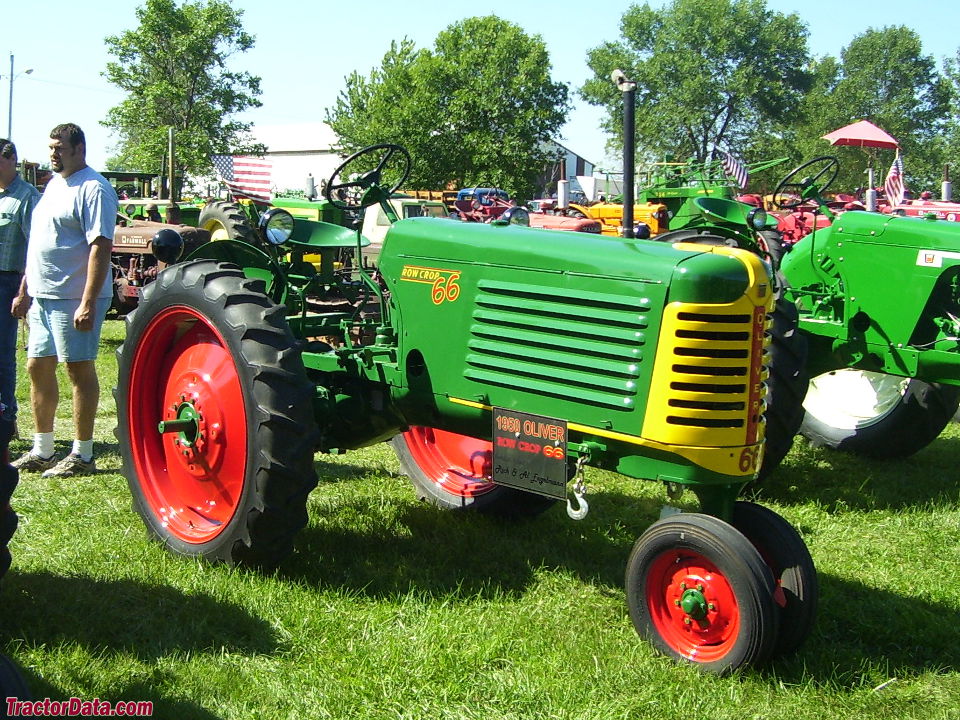
The Oliver 60 Row-Crop and the Oliver 66 Row-Crop are both tractors — here is how they stack up on the figures that matter. Oliver 66 Row-Crop leads on rated power with 23 hp against 18 hp. Oliver 60 Row-Crop is the lighter machine (1,134 kg vs 3,193 kg), which helps on soft ground and transport, while the heavier model carries more ballast for traction-limited draft work. Oliver 66 Row-Crop is the newer design (1949 vs 1940). In short: choose the Oliver 66 Row-Crop for outright pulling power, or the Oliver 60 Row-Crop if a tighter budget and lighter footprint matter more. Compare the full spec tables below before booking a demo.
Tune the fit score
Tell us about your operation
Fit & specs
Oliver 60 Row-Crop Tractor
Oliver
62
Fit score
Best match
Clear
Oliver 66 Row-Crop Tractor
Oliver
62
Fit score
Best match
Clear
Rated power
18 hp
23 hp
Confidence
40%
40%
Guide price
Overview
Manufacturer
OliverReference
OliverReference
Gear 1 used for pull test.Reference
Diesel 6-speed 2WDOctober 12 - 18, 1951Link: Nebraska Tractor Test 467 fileReference
Original price
$2,000 (1954)Reference
Steering
manualReference
Variants
60 Row-Crop
tricycle frontReference
60 Standard
fixed front treadReference
66R
row-cropReference
66S
standardReference
Engine
Plows
1-2Reference
2 (14-inch)Reference
Drawbar (tested)
12.6 kWReference
16.8 kWReference
Belt (tested)
14.0 kWReference
18.7 kWReference
Displacement
2.0 LReference
2.1 LReference
Bore/Stroke
84 x 89 mmReference
84 x 95 mmReference
Fuel system
Marvel-Schebler TSX-49 carburetorReference
Marvel-Schebler carburetorReference
Air cleaner
oil bathReference
oil bathReference
Rated RPM
1500Reference
1600Reference
Starter type
electricReference
Belt power (max)
14.0 kWReference
18.7 kWReference
Max power
12.6 kWReference
16.8 kWReference
Fuel tank
37.9 LReference
Compression
15.5:1Reference
Coolant capacity
13.2 LReference
Transmission
Type
unsynchronized gearReference
Gears
6 forward and 2 reverseReference
Clutch
dry discReference
dry discReference
PTO & Hydraulics
PTO (claimed)
13.4 kWReference
Rear PTO Type
540 (1.375)Reference
540Reference
Rear PTO
independentReference
Dimensions
Wheelbase
217 cmReference
220 cmReference
Weight
1134 kgReference
3193 to 3795 poundsReference
Front tire
5.00-15Reference
5.00-15Reference
Rear tire
9-32Reference
8-38Reference
Ag front
5.00-15Reference
5.00-15Reference
Ag rear
9-32Reference
10-38Reference
Length
325 cmReference
342 cmReference
Height (hood)
144 cmReference
Operating weight
1134 kgReference
Ballasted weight
1814 kgReference
Front tread
16 cmReference
128 to 222 cmReference
Rear tread
152 to 223 cmReference
Height
216 cmReference
Ground clearance
61 cmReference
Operating
1721 kgReference
Ballasted
2523 kgReference
60 Serial Numbers
1940
600001Reference
1941
600071Reference
1942
606304Reference
1943
607395Reference
1944
608526Reference
1945
612047Reference
1946
615628Reference
1947
616707Reference
1948
620257Reference
Capacities
Diameter
25 cmReference
30 cmReference
Width
201 cmReference
18 cmReference
RPM
1143Reference
987Reference
Speed
914.40 meters/minReference
934.21 meters/minReference
Test results
Belt fuel use (max)
6.1 l/hourReference
6.8 l/hourReference
Max pull
1132 kgReference
1619 kgReference
66 Serial Numbers
1949
420001Reference
1950
423101Reference
1951
426011Reference
1952
429771Reference
1953
3503990Reference
1954
4500309Reference
Final
4503563Reference

Fit score weighs budget, operation size, crop match and data confidence against the details above. It’s guidance, not advice — always confirm with a dealer demo.

Comparing 0
Compare (pick 2+)