Compare/Oliver 77 Row-Crop vs Oliver Super 55
Search

Oliver 77 Row-Crop vs Oliver Super 55

Verdict: Oliver 77 Row-Crop vs Oliver Super 55

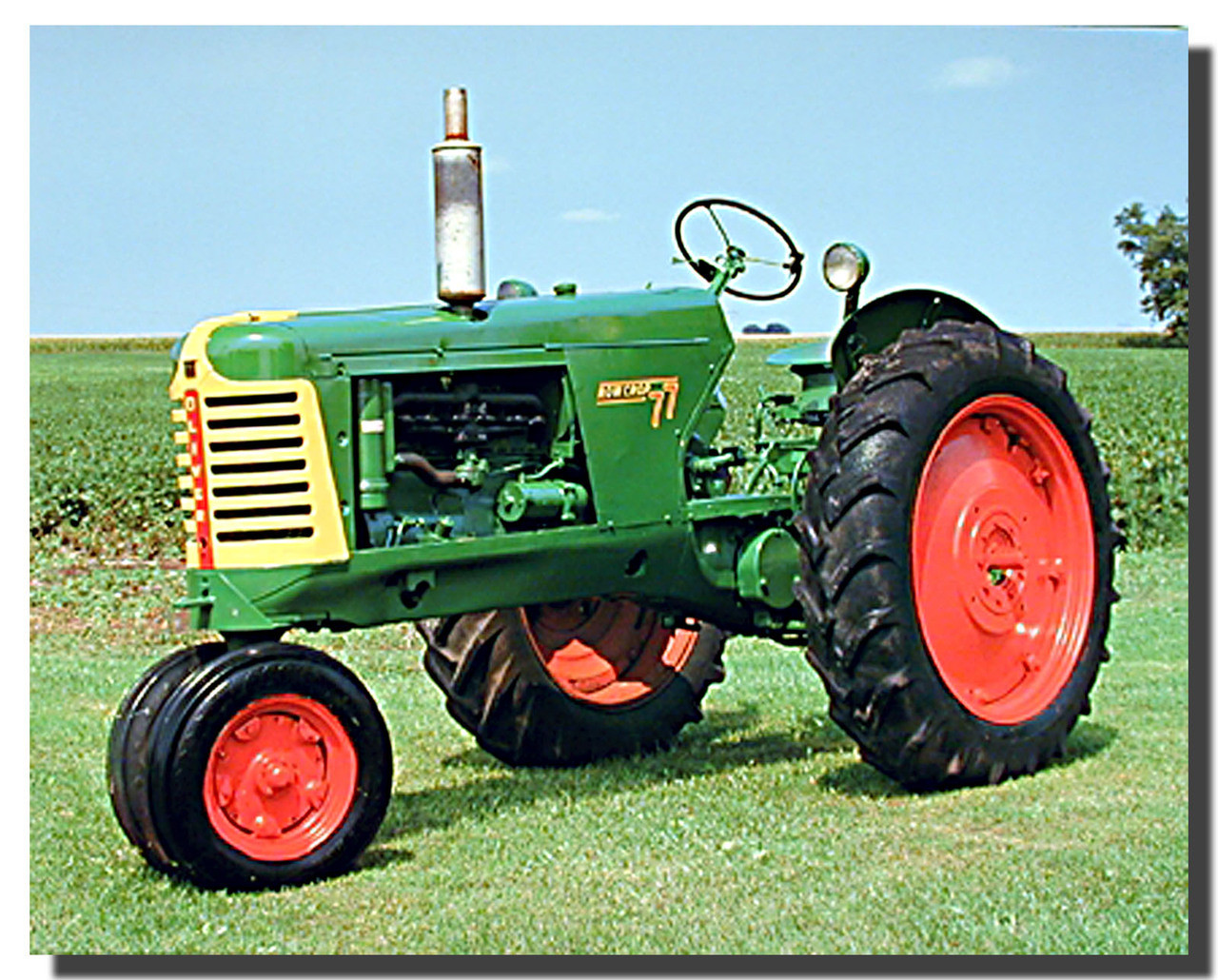
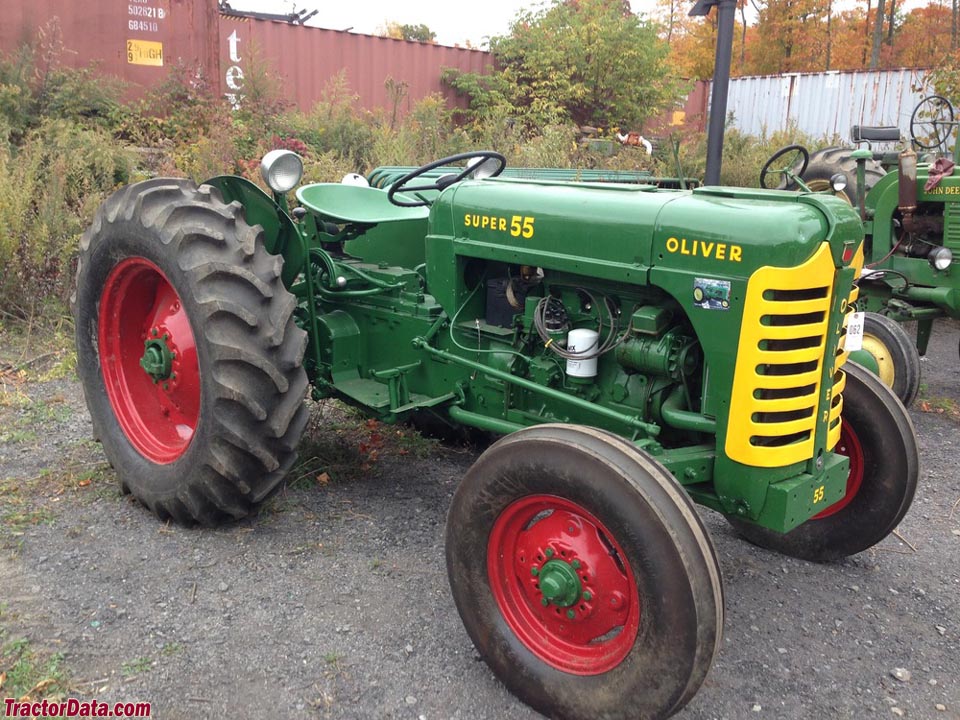
The Oliver 77 Row-Crop and the Oliver Super 55 are both tractors — here is how they stack up on the figures that matter. Both are rated at the same 33 hp. Oliver Super 55 is the lighter machine (1,542 kg vs 4,207 kg), which helps on soft ground and transport, while the heavier model carries more ballast for traction-limited draft work. Oliver 77 Row-Crop holds more fuel (62.5 L vs 49.2 L) for longer stints between fills. Oliver Super 55 is the newer design (1954 vs 1948). Use the full side-by-side spec tables below to weigh the details against your own operation, and confirm with a dealer demo.
Tune the fit score
Tell us about your operation
Fit & specs
Oliver 77 Row-Crop Tractor
Oliver
62
Fit score
Best match
Clear
Oliver Super 55 Tractor
Oliver
62
Fit score
Best match
Clear
Rated power
33 hp
33 hp
Confidence
40%
40%
Guide price
Overview
Manufacturer
OliverReference
OliverReference
LP gas 6-speed 2WDApril 28 - May 10, 1952Link: Nebraska Tractor Test 470 fileReference
Diesel 6-speed 2WDSeptember 27 - October 14, 1954Link: Nebraska Tractor Test 526 fileReference
Steering
manualReference
Variants
77 Row-Crop
tricycle chassisReference
77 Standard
standard frontReference
77 Orchard
low-profileReference
Engine
Fuel tank
62.5 LReference
49.2 LReference
Plows
2-3Reference
Drawbar (tested)
24.5 kWReference
22.1 kWReference
Belt (tested)
27.7 kWReference
25.6 kWReference
Displacement
3.2 LReference
2.4 LReference
Bore/Stroke
84 x 95 mmReference
89 x 95 mmReference
Air cleaner
oil bathReference
oil bathReference
Compression
15.75:1Reference
15.75:1Reference
Rated RPM
1600Reference
2000Reference
Firing order
1-5-3-6-2-4Reference
Oil capacity
7.6 LReference
Coolant capacity
17.0 LReference
13.2 LReference
Starter volts
6Reference
12Reference
Belt power (max)
27.1 kWReference
25.1 kWReference
Max power
24.1 kWReference
20.5 kWReference
Drawbar (claimed)
17.4 kWReference
Transmission
Type
unsynchronized gearReference
Gears
6 forward and 2 reverseReference
Clutch
dry discReference
dry plateReference
PTO & Hydraulics
Rear PTO
independentReference
liveReference
Rear PTO Type
540 (1.375)Reference
PTO (claimed)
24.3 kWReference
Dimensions
Wheelbase
230 cmReference
185 cmReference
Weight
4207 to 4502 poundsReference
1542 kgReference
Front tire
5.50-16Reference
6.00-16Reference
Rear tire
10-38Reference
11-28Reference
Ag front
5.50-16Reference
6.00-16Reference
Ag rear
12-38Reference
11-28Reference
Length
353 cmReference
304 cmReference
Height
190 cmReference
180 cmReference
Height (hood)
156 cmReference
Ground clearance
63 cmReference
Front tread
152 to 227 cmReference
121 to 193 cmReference
Rear tread
152 to 234 cmReference
121 to 193 cmReference
Operating
2042 kgReference
Ballasted
3720 kgReference
Operating weight
1542 kgReference
Ballasted weight
2494 kgReference
77 Serial Numbers
1948
320001Reference
1949
320241Reference
1950
327901Reference
1951
337243Reference
1952
347904Reference
1953
3500001Reference
1954
4501667Reference
6 001Reference
Location:
later: below instrument panelReference
Final
4504470Reference
59 033Reference
Capacities
Diameter
30 cmReference
Width
203 cmReference
RPM
992Reference
Speed
938.78 meters/minReference
Test results
Belt fuel use (max)
17.4 l/hourReference
9.1 l/hourReference
Max pull
2167 kgReference
1651 kgReference
Super 55 Serial Number Location
Super 55 Serial Numbers
1955
11 887Reference
1956
35 001Reference
1957
43 916Reference
1958
56 501Reference

Fit score weighs budget, operation size, crop match and data confidence against the details above. It’s guidance, not advice — always confirm with a dealer demo.

Comparing 0
Compare (pick 2+)