
Search
White 2-75 vs White 6085
Verdict: White 2-75 vs White 6085
The White 2-75 and the White 6085 are both tractors — here is how they stack up on the figures that matter. White 6085 leads on rated power with 80 hp against 75 hp. White 2-75 is the lighter machine (6,108 kg vs 6,779 kg), which helps on soft ground and transport, while the heavier model carries more ballast for traction-limited draft work. White 6085 is the newer design (1992 vs 1982). In short: choose the White 6085 for outright pulling power, or the White 2-75 if a tighter budget and lighter footprint matter more. Compare the full spec tables below before booking a demo.
Tune the fit score
Tell us about your operation
Fit & specs
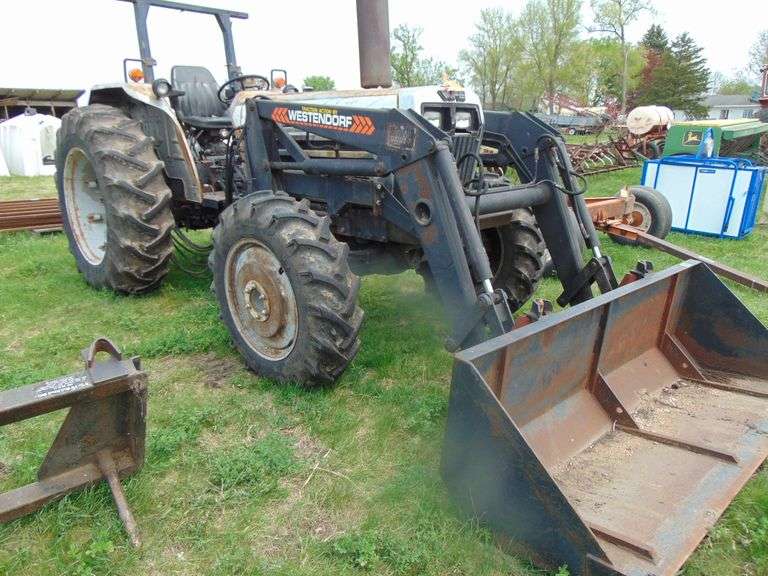
White
62
Fit score
Best match
Clear
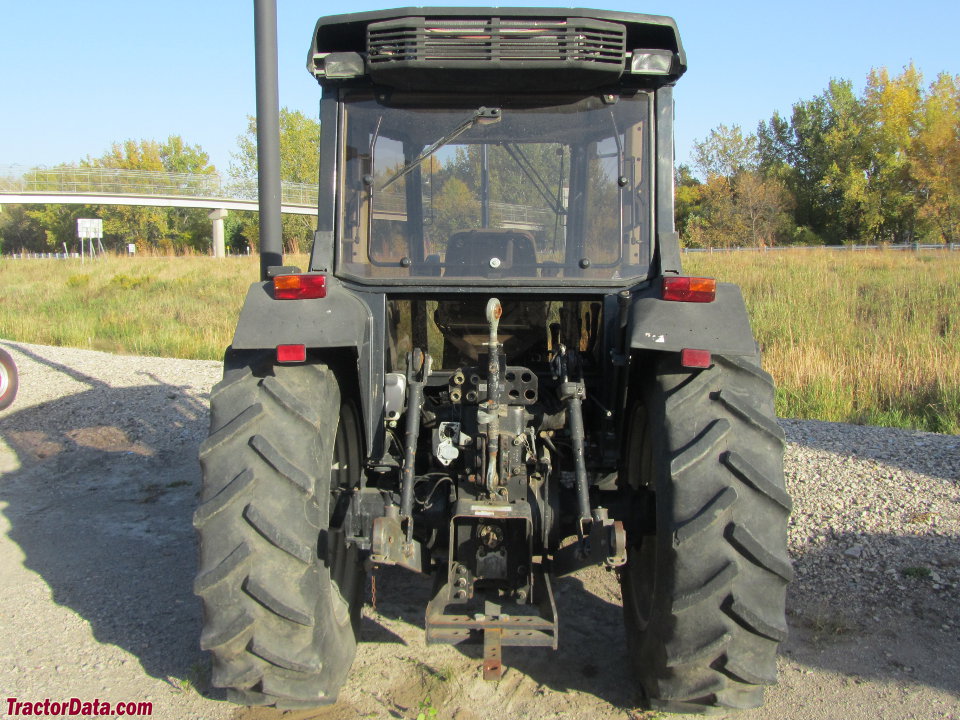
White
62
Fit score
Best match
Clear
Rated power
75 hp
80 hp
Confidence
40%
40%
Guide price
—
—
Overview
Distributor
WhiteReference
White (a part of AGCO)Reference
Manufacturer
IsekiReference
SAMEReference
With 16.9-34 rear tires. Speeds expressed as gear-creeper-auxiliary.Reference
liquid-cooledReference
Drive
4x4 MFWD 4WD (optional)Reference
—
Differential lock
foot-activated standardReference
mechanical rearReference
Steering
powerReference
—
Final drives
—
inboard planetaryReference
Variants
Iseki T9000
similar tractorReference
—
Engine
Drawbar (tested)
47.4 kWReference
—
Displacement
5.4 LReference
4.0 LReference
Bore/Stroke
102 x 110 mmReference
105 x 116 mmReference
Air cleaner
dry with pre-cleanerReference
—
Pre-heating
glow plugsReference
—
Rated RPM
2200Reference
2500Reference
Idle RPM
675-2420Reference
—
Starter volts
12Reference
12Reference
Oil capacity
33.4 LReference
—
Coolant capacity
18.3 LReference
—
Power at rated engine speed
56.2 kWReference
—
Max power
47.4 kWReference
—
Fuel system
—
direct injectionReference
Compression
—
17.1:1Reference
Starter
—
electricReference
Transmission
Gears
16 forward and 4 reverseReference
16 forward and reverseReference
PTO & Hydraulics
PTO (claimed)
56.2 kWReference
59.7 kWReference
PTO (tested)
56.2 kWReference
—
Hydraulic system
33.3 LReference
45.0 LReference
Type
synchromeshReference
two-speed power shiftReference
Capacity
33.3 LReference
45.0 LReference
Pressure
176.5 barReference
180.0 barReference
Valves
1 to 3Reference
2Reference
Total flow
45.0 lpmReference
82.5 lpmReference
Rear Type
II/IReference
II/IReference
Rear lift (at 24"/610mm)
2399 kgReference
1784 kgReference
Rear PTO
independentReference
independentReference
Rear PTO Type
540/1000/groundReference
540/1000Reference
Power at rated PTO speed
56.4 kWReference
—
Pump flow
—
59.8 lpmReference
Control
—
position and draft controlReference
Clutch
—
hydraulic dry discReference
Capacities
Fuel
79.9 LReference
99.9 LReference
Dimensions
Wheelbase
230 cmReference
241 cmReference
Weight
6108 to 7920 poundsReference
6779 to 7385 poundsReference
Front tire
7.50-18Reference
7.50-18Reference
Rear tire
16.9-34 (2WD)Reference
16.9R24Reference
Standard tires (ag)
Front: 11.20-24. Rear: 16.9-34 (4WD)Reference
—
Length
389 cmReference
368 cmReference
Width
187 cmReference
195 cmReference
Height (exhaust)
255 cmReference
—
Clearance (front axle)
51 cmReference
—
Shipping
2770 kgReference
—
Operating
3592 kgReference
—
Ballasted
4365 kgReference
—
Ag front
—
7.50-18Reference
Ag rear
—
16.9R24Reference
Height (ROPS)
—
254 cmReference
Height (cab)
—
270 cmReference
ROPS Shipping weight
—
3074 kgReference
Cab Shipping weight
—
3349 kgReference
White 2-75 attachments
2-75 Serial Numbers
1982
00247 (4WD)Reference
—
1983
00305 (4WD)Reference
—
1984
00501 (4WD)Reference
—
1985
00728 (4WD)Reference
—
1986
00782 (4WD)Reference
—
1987
00892 (4WD)Reference
—
Location:
Tractor frame on leftReference
Serial number plate on the tractor's console on the right side.Reference
Electrical
Charging system
alternatorReference
—
Charging amps
35Reference
—
Batteries
2Reference
—
Battery volts
12Reference
12Reference
Ground
—
negativeReference
Test results
Fuel use
18.2 l/hourReference
—
Max pull
2942 kgReference
—
Speeds
6085 Serial Numbers
1992
—
001001Reference
1993
—
001193Reference
1994
—
001355Reference
Fit score weighs budget, operation size, crop match and data confidence against the details above. It’s guidance, not advice — always confirm with a dealer demo.