Cash, hire purchase or lease: how to compare ways of paying for a tractor
How ownership, tax allowances and total cost differ between buying outright, hire purchase and leasing in the UK, the US depreciation rules that change the sums, and the questions to put to any finance provider.
The editorial team that prepares and reviews FarmFleetSpecs reports and guides.
Three routes, three different things you are buying
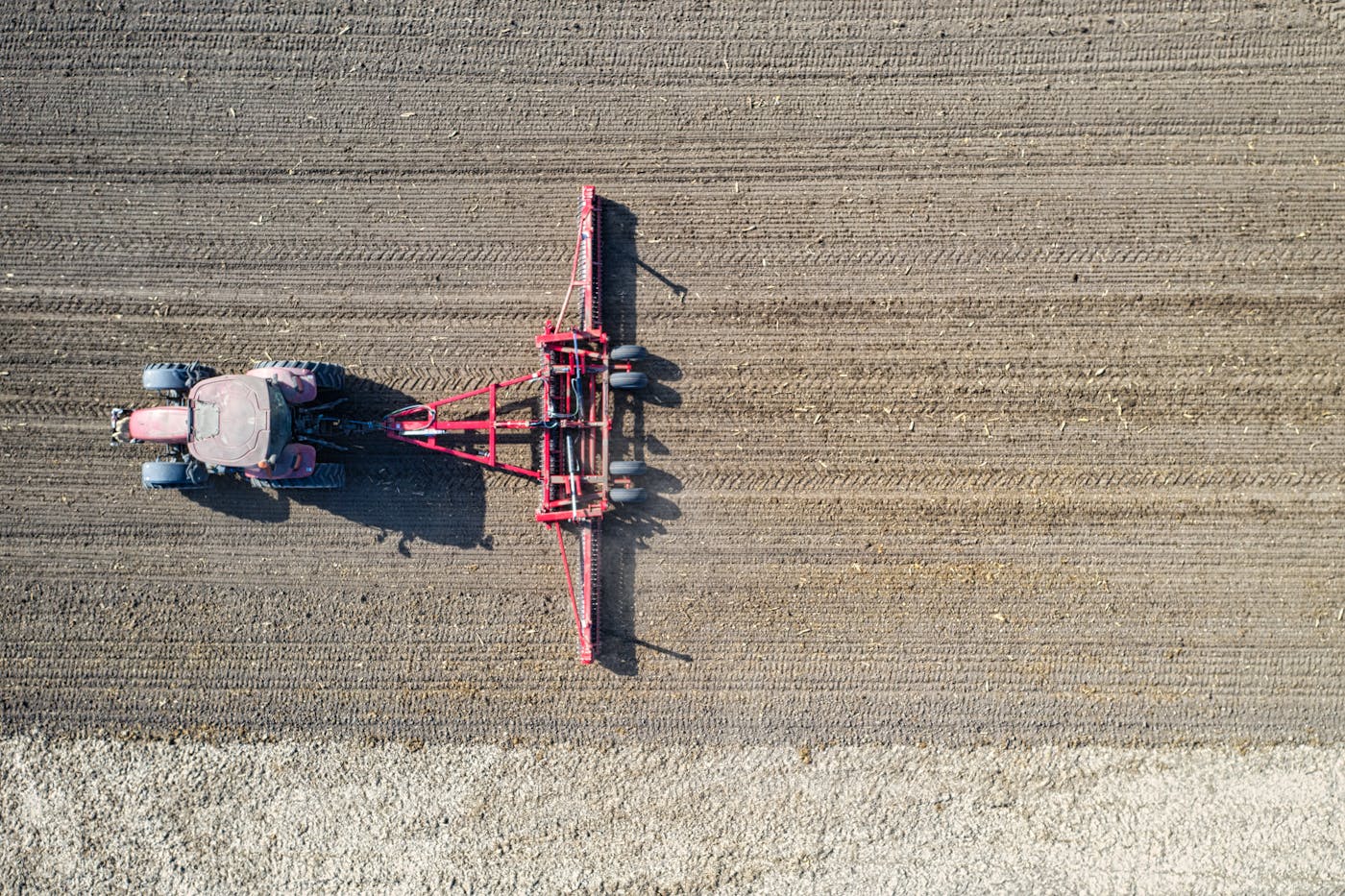
Buying outright gives you the machine, all of its resale value and complete freedom over how it is used, at the cost of tying up cash or an overdraft facility. Hire purchase (HP) spreads the price over an agreed term, usually after a deposit, and ownership passes to you when the final payment and any option fee are paid. A lease pays for the use of the machine for a period; at the end it goes back, is extended, or in some agreements can be bought, depending on the contract.
The right choice depends on four things: how long you keep machines, how much cash and borrowing headroom you have, how you are taxed, and how many hours the tractor will do. A farm that runs tractors for ten years has different priorities from one that changes every three years on a fixed hours limit.
UK tax: who claims the allowances
For UK tax, the key difference is who is treated as owning the machine. GOV.UK's guidance on the Annual Investment Allowance says that if you buy something under a hire purchase contract, you can claim for all the payments you will make under the contract once you start using the item, but not for the interest. HMRC's Capital Allowances Manual (CA23310) explains why: section 67 of the Capital Allowances Act 2001 treats the person making HP payments as the owner as soon as they are entitled to the benefit of the contract. If the contract ends without ownership ever passing, the farm is treated as having disposed of the asset, which can bring a balancing charge.
Leases work the other way. HMRC's Business Leasing Manual notes that under a finance lease the lessor gets the allowances, not the lessee, whereas under HP the hirer gets them. The farm leasing the tractor normally deducts the rental payments as a business expense instead. Some agreements with a market-price purchase option at the end are treated differently, and long leases have their own rules, so the label on the document is not enough; ask your accountant how a specific agreement will be treated.
The Annual Investment Allowance lets qualifying businesses deduct up to £1 million a year of plant and machinery spending in the year it is incurred. It is only available to partnerships where all members are individuals, and companies under common control share one allowance.
US tax: section 179 and bonus depreciation
In the United States, the IRS instructions for Form 4562 set the maximum section 179 expense deduction for tax years beginning in 2025 at $2,500,000, reduced dollar for dollar once qualifying property placed in service in the year exceeds $4,000,000. The limits are adjusted for inflation each year, so check the current figure. The One Big Beautiful Bill Act (P.L. 119-21) reinstated a 100% special depreciation allowance for qualified property acquired and placed in service after 19 January 2025.
The same instructions classify new farm machinery and equipment placed in service after 2017 as 5-year property, and used farm machinery as 7-year property. As in the UK, whether you can claim depends on whether the agreement is treated as a purchase or a true lease, so the structure of the deal affects the tax result.
Working out the true cost
A low monthly figure can hide a high total cost. To compare offers properly, put each one on the same basis:
- Add every payment you will make: deposit, instalments or rentals, documentation and option-to-purchase fees, and any balloon or final payment.
- Subtract the value you expect to recover at the end: the resale or trade-in value if you own it, zero if the machine goes back.
- Add costs the agreement puts on you: servicing packages, insurance requirements, excess-hours charges and return-condition charges on leases.
- Allow for tax: the timing and size of allowances or deductions differ between HP, lease and cash, and that changes the after-tax cost.
- Allow for cash: money tied up in a cash purchase has a cost too, either the interest on the overdraft it uses or what it could earn elsewhere.
- Compare the results over the same period, ideally the number of years you really keep a tractor.
Questions to ask the finance provider
Finance offers from dealers, manufacturers' finance arms, banks and specialist lenders are structured differently, so ask each one the same questions and compare the written answers side by side.
- Is the interest rate fixed or variable, and what is the total amount payable?
- Can payments be seasonal, for example annual or aligned with harvest or milk cheques?
- What happens if I want to settle early, and how is the settlement figure worked out?
- On a lease: what is the annual hours allowance, what is charged per excess hour, and what return condition is expected for tyres, paint and wear parts?
- Is maintenance included, and who carries out warranty and servicing work?
- Who insures the machine during the agreement, and is the finance company to be named on the policy?
- On HP: what is the option-to-purchase fee, and when exactly does ownership pass?
Match the deal to the machine
Some general patterns help. A main tractor doing high hours that you plan to keep for many years usually suits ownership, either cash or HP, because you capture the long tail of use after the payments end. A tractor you change on a short cycle, or one where fixed monthly costs and a predictable replacement date matter more than resale value, may suit a lease. Seasonal or occasional machines may be better hired or shared; see our machinery sharing and rental guide.
Whatever the route, check the machine before you sign. Look up the model's specification on the FarmFleets machine search, and for a used tractor work through our used tractor inspection checklist. Our guide to farm input costs and machinery decisions covers how machinery costs fit into the wider budget. This article explains general principles only; take advice from an accountant on how a particular agreement will be taxed for your business.
Sources
Sources checked 2026-09-25
- GOV.UK: Capital allowances - Annual Investment Allowance — checked 2026-09-25
- HMRC Capital Allowances Manual CA23310: hire purchase, notional ownership — checked 2026-09-25
- HMRC Business Leasing Manual BLM00330: hire purchase contracts — checked 2026-09-25
- IRS: Instructions for Form 4562 (2025) — checked 2026-09-25
Corrections and feedback
See our Corrections Policy, contact the team, or Report incorrect information.
Compare machines before you buy.
Use FarmFleetSpecs to check specs, photos, source confidence and recorded recall notices for tractors, combines and other farm equipment.