Farm data ownership: the quiet question behind smart machines
Tractors, combines and sprayers now record where they went, what they applied and how they performed. Before you connect them, find out who can see that data, what they can do with it and how you get it back.
The editorial team that prepares and reviews FarmFleetSpecs reports and guides.
What data your machines create
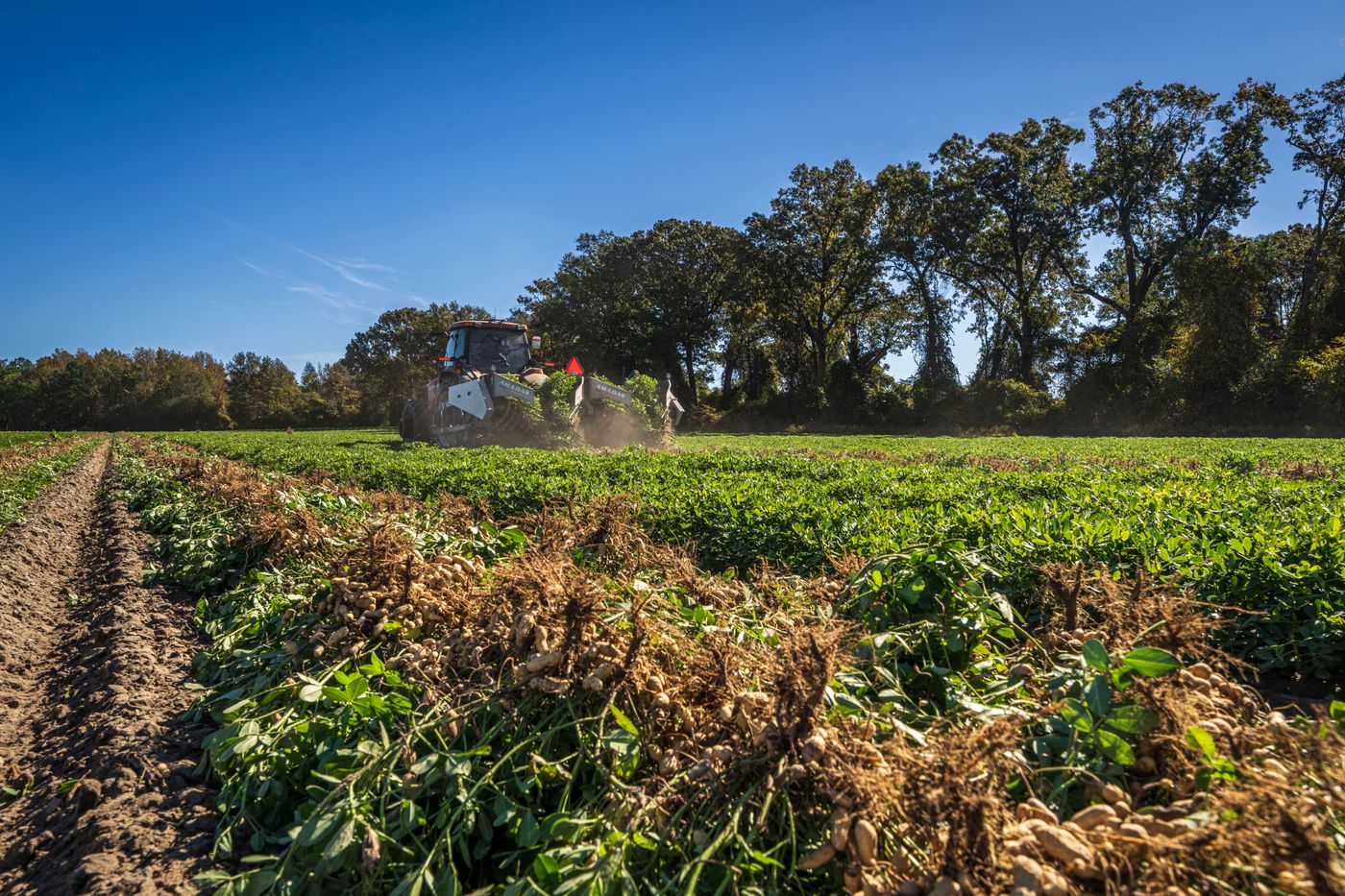
A modern tractor or combine with telematics and guidance can record its position, engine hours and fuel use, fault codes, application rates, as-applied and yield maps, and sometimes operator identity. Much of this is uploaded automatically to the manufacturer's cloud platform, from where it may be shared with your dealer, agronomist or other software you connect.
That data is valuable to you: it underpins variable-rate plans, compliance records, input budgets and resale evidence. It is also valuable to others, including manufacturers improving products, dealers planning service visits, and companies building aggregated market insights. None of this is necessarily a problem, but you should know what is happening and have agreed to it.
Who owns it? What the principles say
There is no simple property law of farm data in either the UK or the US. In practice, the contract you accept when you activate a service decides what happens. That makes industry principles useful as a benchmark for judging those contracts.
In the US, the Core Principles for Agricultural Data were drawn up in November 2014 by the American Farm Bureau Federation, commodity groups, farm organisations and technology providers, and updated by Ag Data Transparent in 2024. Among the 15 principles: farmers should own information originating from their operations; data collection needs explicit consent; providers should notify farmers of changes to agreements; farmers should be able to retrieve their data in a usable format within a reasonable time; providers should say who their data partners are and whether data is used to train AI or machine-learning models; contracts should explain deletion rights after termination; and farmers should be able to halt data collection at any time. Ag Data Transparent certifies providers whose contracts meet the principles, which gives US farmers a quick check.
The EU Data Act, and why UK farmers should still watch it
The EU Data Act (Regulation (EU) 2023/2854) has applied since 12 September 2025. It gives users of connected products, which include farm machinery, the right to access the data generated by their use and to share it with third parties such as independent repairers or software providers. Under Article 50, the obligation in Article 3(1), which requires products to be designed so that their data is accessible to the user, applies to connected products placed on the EU market after 12 September 2026.
The Data Act does not apply in Great Britain. UK farmers therefore rely on the terms each provider offers. That said, the major machinery brands sell into both markets, and data-access features built for the EU may also appear on UK machines. It is worth asking your dealer whether the data access tools offered to EU customers are available on UK-specification machines.
Standards that stop you being locked in
Lock-in usually happens quietly. A yield map that only opens in one brand's software, or a prescription file that a different make of sprayer cannot read, makes it costly to change suppliers later. Open standards reduce that risk.
ISOBUS, defined in ISO 11783, is the international standard for communication between tractors, implements and farm software. The Agricultural Industry Electronics Foundation (AEF) notes that how well ISOBUS components work together depends on the functions they have in common, and publishes a compatibility database so buyers can check which functions a given tractor terminal and implement both support. Before buying, check that the functions you rely on, such as task controller, section control or variable-rate, are supported on both sides.
Read the terms: a checklist
Data terms are often spread across a subscription agreement, a privacy notice and a separate data policy. Ask the provider to point you to all of them, and look for clear answers to these questions.
- Which data is collected, and can I switch off categories I do not want to share?
- Who can see my data by default: manufacturer, dealer, affiliates, partners?
- Is my data used to train AI or machine-learning models, and can I opt out?
- Is my data sold or shared in aggregated or anonymised form, and how is it anonymised?
- How do I export all my data, in what formats, and is there a charge?
- What happens to my data if I cancel, sell the machine or the provider is sold?
- How much notice do I get of changes to the terms, and do I have to accept them to keep using the machine?
- Where is the data stored, and what security certification does the provider hold?
Practical habits that protect you
Export and back up your key data after each season: yield maps, as-applied records and boundary files. Store them somewhere you control, in open or widely used formats (shapefile, ISO-XML or CSV) as well as the provider's own format. Test an export before you need it; a year-end rush is the wrong time to find it does not work.
Keep your field boundaries and names consistent across systems, as mismatches are the most common reason data will not combine. When you sell or trade in a machine, remove it from your online account, clear any stored field data and operator profiles from the display, and confirm that subscriptions and guidance unlocks are handled as agreed. Our used tractor inspection checklist covers the buyer's side of the same problem.
If several people or advisers access your account, give each their own login with the least access they need, rather than sharing one password. Review the list of connected apps and partners at least once a year and remove any you no longer use, because each connection is another route for your data to leave the farm.
When you compare machines
Data terms are part of the machine specification. When you compare models on FarmFleets search, add questions about telematics subscriptions, data export and ISOBUS functionality to your list alongside power and hydraulics. Our guides to AI decision tools on the farm and drones for crop scouting look at other places your farm data ends up.
Sources
Sources checked 2026-09-25
- Ag Data Transparent: Core Principles for Agricultural Data — checked 2026-09-25
- EUR-Lex: Regulation (EU) 2023/2854 (Data Act) — checked 2026-09-25
- European Commission: Data Act — checked 2026-09-25
- AEF: ISOBUS — checked 2026-09-25
Corrections and feedback
See our Corrections Policy, contact the team, or Report incorrect information.
Compare machines before you buy.
Use FarmFleetSpecs to check specs, photos, source confidence and recorded recall notices for tractors, combines and other farm equipment.