
Round or big square baler? A decision guide based on how bales are stored, moved and sold
The practical differences between round and big square bales for silage, hay and straw, the HSE stacking limits for each, what storage research shows about losses, and the questions that settle the choice.
The editorial team that prepares and reviews FarmFleetSpecs reports and guides.
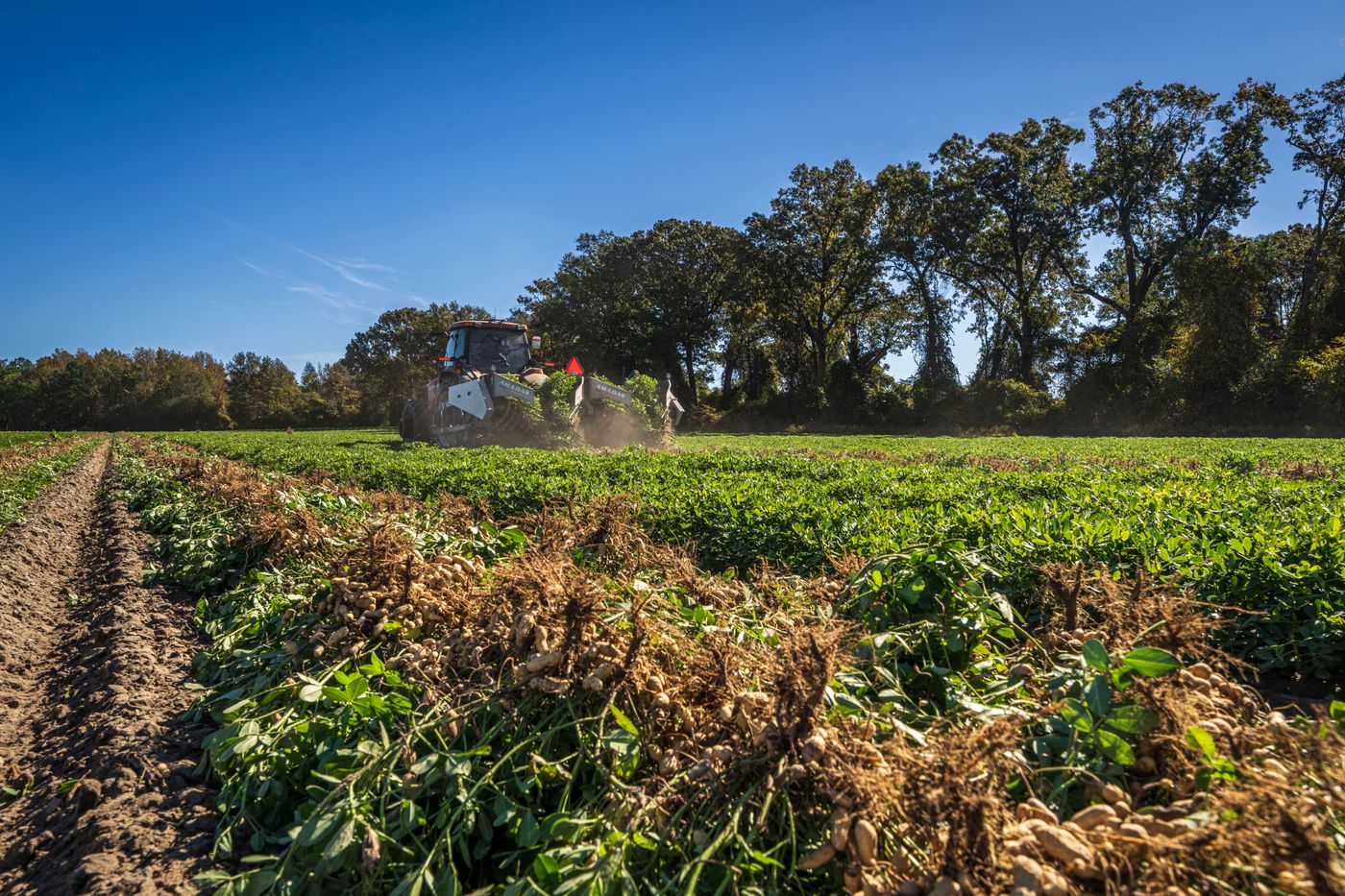
Start with where the bale ends up
The baler decision is mostly made at the other end of the chain. Ask four questions before comparing machines: what crops will be baled (silage, hay, straw), where will bales be stored, how will they be moved and how far, and who uses them (your own stock, a neighbour, a merchant, a haulier). A farm feeding its own cattle from bales stored in the yard has different needs from a contractor baling straw for sale to a buyer several hours away.
How the two machine types differ
Round balers roll the crop into a cylinder inside a chamber. Fixed-chamber machines make one bale diameter with a softer core; variable-chamber machines use belts to make a range of diameters with a denser core. Most stop while net wrap or twine is applied, although non-stop designs exist. Baler-wrapper combinations wrap silage bales straight away.
Big square balers use a plunger to compress wads of crop into a rectangular bale of fixed cross-section and adjustable length. They bale continuously, generally need more tractor power and a heavier tractor to hold the machine, and cost more to buy. Both types are offered with chopping rotors that cut the crop as it is picked up.
For silage, AHDB's Better Returns manual notes that modern round balers that chop the crop give high density and a good fermentation, similar to rectangular bales. Rectangular silage bales are easier to transport but heavier, need heavy-duty handling equipment, and require eight layers of wrap; if the top of a rectangular bale is damaged, more oxygen can get in than with a damaged round bale. Round silage bales need six layers counted on the barrel.
Stacking: HSE's limits for each bale type
HSE's leaflet Safe working with bales in agriculture (INDG125) gives stacking rules that directly affect how much storage space each bale type needs:
- Big square bales: build with a wide base that narrows slightly, and tie layers in with a half-bale overlap. Stacks should be no higher than 1.5 times the base width, the reach of the de-stacking equipment, ten bales on hard standing or concrete, or eight bales where there is no hard standing.
- HSE warns big square bales can weigh up to 600 kg each, enough to kill if one falls on someone.
- Round bales: the safest method is on their sides in a pyramid, with the bottom outside bales chocked or staked and layers overlapped by half a bale. Maximum height is roughly three times the bale diameter.
- Stacking round bales on their ends can be unstable because density varies; HSE advises it only inside a building with sides or other measures to stop bales falling out.
- Wrapped bales are slippery: below 25% dry matter stack one high, 25-35% two high, 35-45% three high.
Moving and selling bales
Square bales fill a trailer or lorry bed with little wasted space, which matters when bales are sold by weight and hauled a long way. HSE's guidance gives a sense of the loads involved: a lorry trailer carrying 36 big bales may be carrying more than 20 tonnes, and a telehandler lifting three big bales nearly 2 tonnes. Check that axles, tyres and handling equipment are rated for those weights, and never carry bales on a loader so that they block the driver's view.
For moving any big bale, HSE recommends suitable clamps or grabs, or two or more spikes so a bale cannot spin, keeping the load low, smooth control, sensible speed and enough front and rear ballast. A round bale that is not held securely can roll back down raised loader arms towards the cab. See our front loader and attachments guide for handler options.
Storage losses and hay safety
It is often said that one shape stores better than the other outdoors. University of Wisconsin-Madison Extension reviewed storage trials and reported few differences in storage losses between round and rectangular bales stored uncovered for eight months, with a University of Minnesota study finding both lost about 23% of the bottom bale volume through re-wetting from the ground. The bigger gains come from storage method: use the best-drained site available, lift bales off the soil on crushed rock or similar, set rows end to end running up and down the slope so water runs between them, and do not stack unprotected bales.
For hay, moisture at baling is the main fire risk regardless of bale shape. University of Minnesota Extension classes 10-15% moisture as recommended with the least fire risk and above 25% as a high risk; check the internal temperature of new stacks, and call the fire service if it reaches 175-190F (about 79-88C). Our silage and hay equipment guide covers the targets for each stage.
Questions that settle the choice
Most farms can answer the round-or-square question quickly once they are honest about how bales are used, stored and moved. Work through these points before looking at brochures.
- Will most bales be fed on the farm (round usually suits) or sold and hauled (big square usually suits)?
- Does your tractor have the PTO power and weight the baler maker specifies? Check your tractors on the FarmFleets machine search.
- Do you have handling equipment rated for the heavier square bales, and storage with hard standing for taller stacks?
- For silage, will you wrap in the field or at the stack, and can you move bales within hours of wrapping as AHDB recommends?
- How many bales a year? Low numbers often favour a contractor; see our machinery sharing guide.
- What do your buyers or feeding system want? Some feeders, bedding choppers and buyers are set up for one bale size.
Sources
Sources checked 2026-09-25
- HSE: Safe working with bales in agriculture (INDG125) — checked 2026-09-25
- AHDB: Making grass silage for Better Returns (Manual 5) — checked 2026-09-25
- University of Wisconsin-Madison Extension: Big bale storage losses - how different options stack up — checked 2026-09-25
- University of Minnesota Extension: Preventing hay fires — checked 2026-09-25
Corrections and feedback
See our Corrections Policy, contact the team, or Report incorrect information.
Compare machines before you buy.
Use FarmFleetSpecs to check specs, photos, source confidence and recorded recall notices for tractors, combines and other farm equipment.